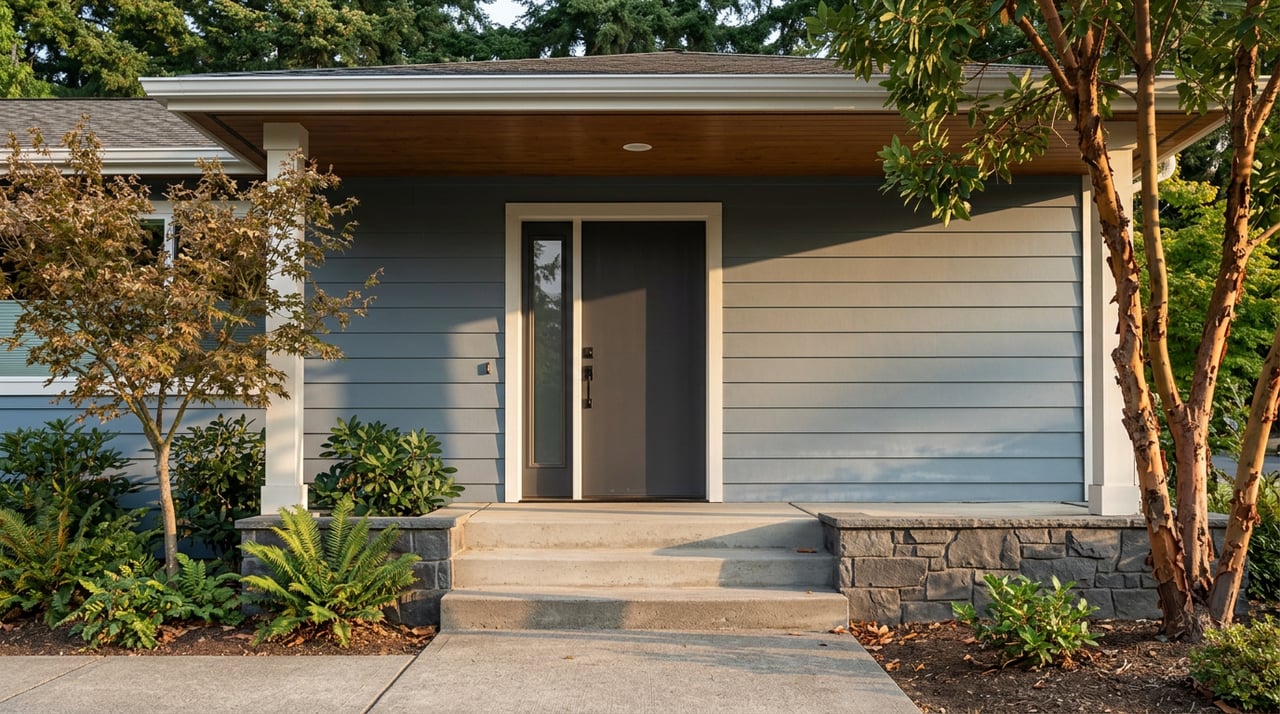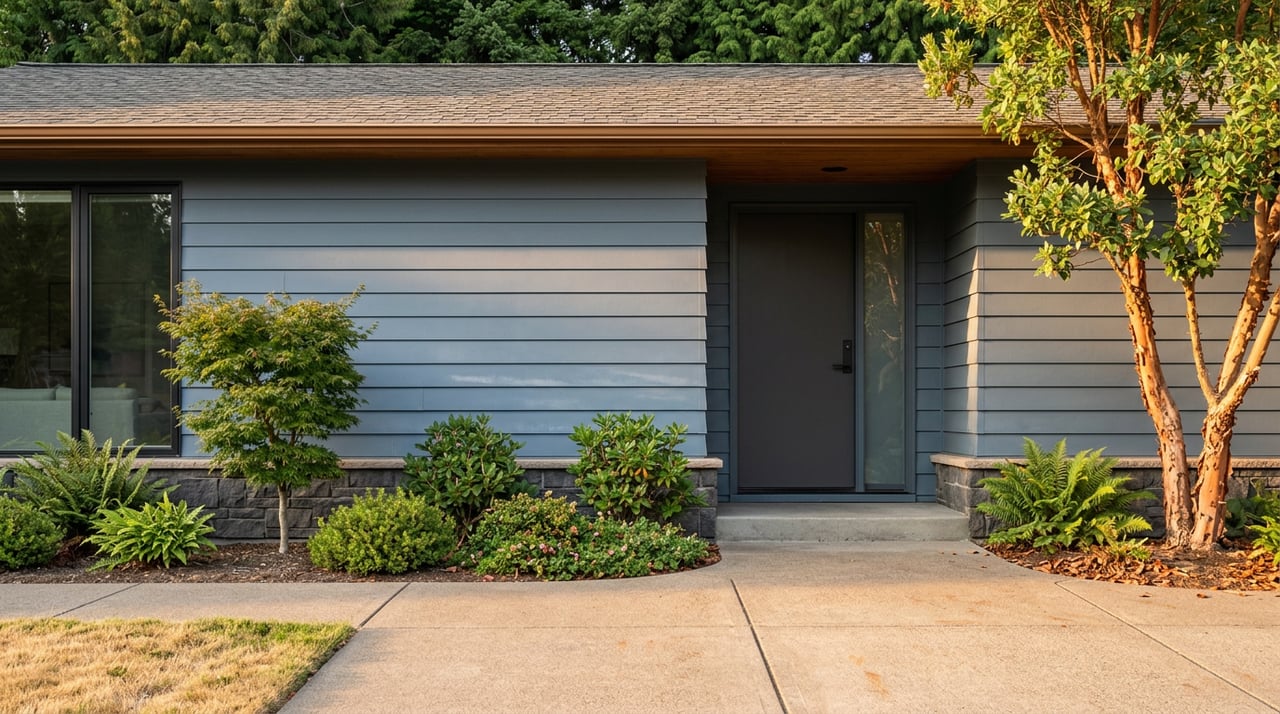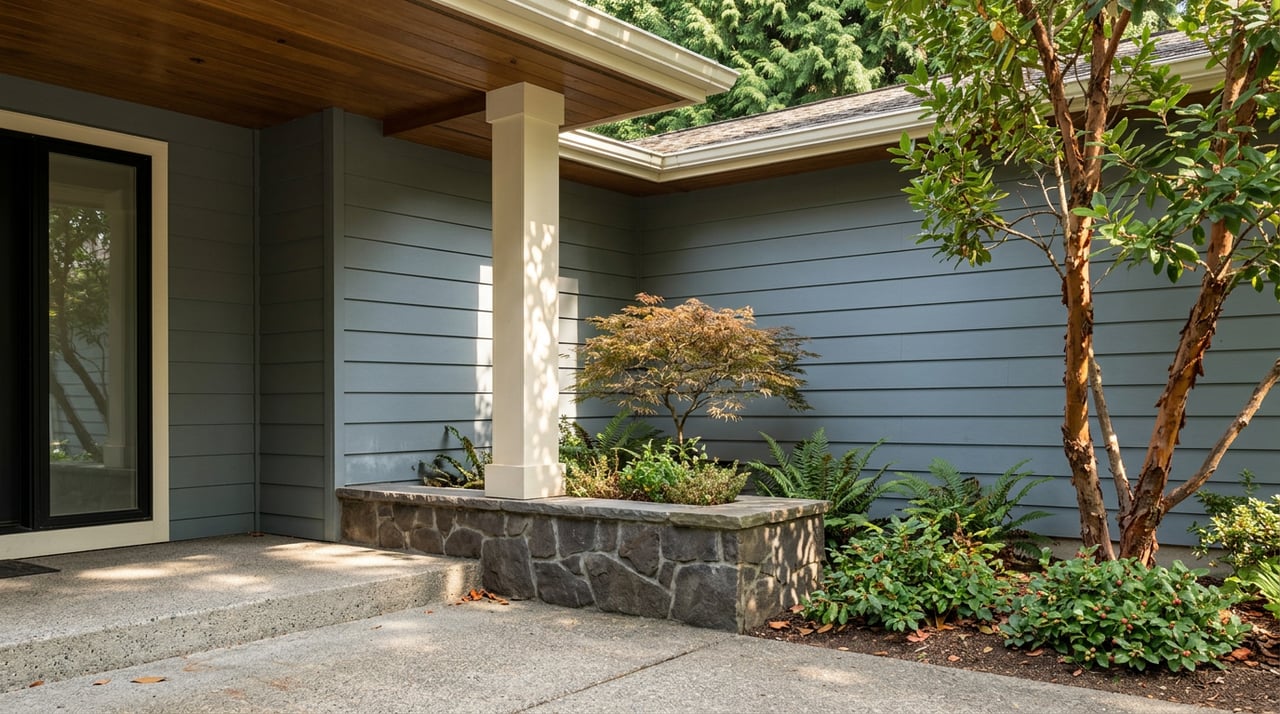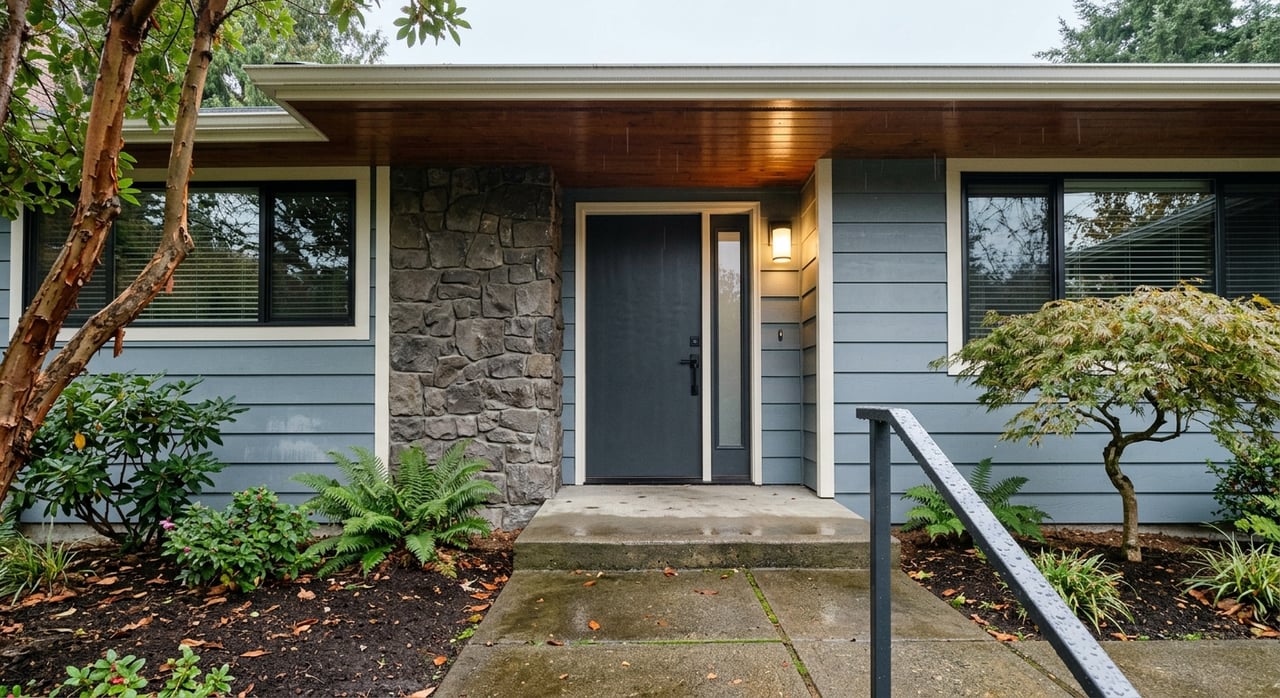
If you are selling an older home in North Tacoma, a long inspection report can feel intimidating fast. That is especially true when your house has decades of updates, repairs, and lived-in history behind it. The good news is that many inspection notes in Tacoma’s older housing stock are normal, predictable, and manageable when you understand the process ahead of time. Let’s dive in.
Why older Tacoma homes get closer scrutiny
Tacoma has a long architectural history, with homes and buildings dating from the 1870s through the 1970s. In many established areas, buyers are looking at Victorians, Craftsman homes, Colonial Revival homes, Foursquares, and other older properties that naturally show more wear, maintenance, and repair history than newer construction.
That context matters when you sell. An inspection report on an older home is often less about finding a single dramatic problem and more about documenting age-related conditions, deferred maintenance, and visible system concerns. In other words, extra findings do not automatically mean your sale is in trouble.
What a Washington home inspection covers
In Washington, a home inspection is a visual, noninvasive review of the property at the time of the inspection. The inspector uses normal homeowner controls and simple tools to observe the home’s visible condition.
The inspection scope is broad. It generally includes the structure, site and drainage, exterior, roof, plumbing, electrical, insulation and ventilation, plus attached garages or carports. That gives buyers a useful snapshot of the home’s condition on inspection day.
Here are some of the areas inspectors commonly review:
- Visible foundation elements and floor framing
- Grading and drainage next to the home
- Roof coverings, gutters, downspouts, flashing, vents, skylights, and penetrations
- Visible plumbing supply and waste lines, fixtures, faucets, and the water heater
- Electrical service, panels, branch circuits, receptacles, and lighting fixtures
What a Washington inspection does not cover
This part is just as important for sellers. A Washington inspection is not technically exhaustive, and it is not designed to uncover every hidden condition in the house.
Inspectors are not required to identify concealed defects, determine remaining life expectancy for components, provide engineering services, or confirm code compliance. They also are not required to inspect certain underground items or evaluate hydrological, geological, or environmental hazards.
Washington’s preinspection agreement rules also make clear that environmental issues like mold, asbestos, lead paint, and air or soil quality are not included unless there is a separate written agreement. That is why buyers sometimes order additional specialist evaluations after the main inspection.
Common inspection issues in older Tacoma homes
Roof and moisture concerns
Roof and moisture questions often rise to the top in older-home sales. Washington’s seller disclosure form asks whether the roof has leaked in the last five years and whether a basement has flooded or leaked, which tells you how central these issues are in a transaction.
Inspectors also pay close attention to gutters, downspouts, flashing, vents, and roof penetrations. In Tacoma, where heavy rain can create flooding in streets and low areas, buyers often look carefully at how water moves around the house and away from the structure.
Foundation and drainage issues
Older homes often bring extra attention to settling, foundation movement, and lot drainage. The inspection standards specifically include grading and drainage near the foundation, along with flatwork or retaining walls that are contiguous with the structure.
Buyers may focus on whether the site sheds water away from the home and whether any visible cracks, movement, or moisture signs suggest follow-up is needed. Even when findings are modest, these notes can become negotiation points if they appear tied to water management.
Electrical system questions
Electrical systems often create some of the most direct repair conversations. Washington inspectors review the electrical service from the service drop through the main panel, subpanels, branch circuits, receptacles, and lighting fixtures.
For older homes, this can mean more comments about outdated components, visible defects, or safety-related concerns. Washington’s standards specifically require inspectors to report solid conductor aluminum branch circuits because they may be hazardous.
Plumbing concerns
Plumbing is another category where older homes tend to generate questions. Inspectors look at visible supply lines, waste and vent lines, plumbing fixtures, faucets, and the domestic hot-water system.
Because the inspection is visual and noninvasive, it does not capture every hidden or underground condition. Still, visible leaks, signs of prior leakage, aging fixtures, or questions about drainage can prompt buyers to ask for more information or specialist follow-up.
Pest and material-risk issues
Older housing can also raise questions about pests and certain building materials. Washington’s disclosure form asks whether a structural pest or whole-house inspection has been done and whether the property has had wood-destroying organisms or pest infestation during ownership.
If your home was built before 1978, lead-based paint disclosure rules may also apply if there are known hazards or records available. Older materials can also lead to questions about asbestos if a material is damaged or likely to be disturbed, which is one reason buyers sometimes bring in additional specialists beyond the general inspector.
Why paperwork matters before inspection
For older homes, documentation can make a real difference. A buyer may be more comfortable with a repair history when you can show permits, final inspection approvals, invoices, service receipts, pest reports, or records of completed work.
Washington’s seller disclosure form asks about a wide range of issues that often overlap with the inspection report. These include roof leaks, basement leaks, settling, foundation defects, pest history, electrical defects, plumbing defects, insulation, hot water tanks, sump pumps, and whether additions or remodels were permitted and fully inspected.
If you gather records before listing, you can answer questions faster and more consistently. That can help keep negotiations calm and reduce confusion once the buyer’s report arrives.
How historic-district rules can affect repairs
Some Tacoma properties are in designated historic or conservation districts. If your home falls into one of those areas, exterior changes may require design review when permits are required.
That can affect items like windows, siding, additions, chimneys, porches, and decks. If an inspection turns up an exterior issue, it is smart to confirm any review or permit requirements before promising a specific repair approach or timeline during negotiations.
What to expect after the inspection report
A long report does not always mean a deal is falling apart. In many older-home sales, the report is doing exactly what it is supposed to do: identifying visible deficiencies and conditions for the buyer to consider.
The most common next step is not panic. It is usually a measured conversation about which items are routine maintenance, which issues may justify specialist review, and which concerns rise to the level of a repair request, credit request, or price adjustment.
Expect follow-up questions
Buyers often come back with a short list rather than asking you to address every line item. They may want clarification on active leaks, drainage, electrical concerns, plumbing issues, or signs of structural movement.
This is where a calm, organized response helps. Clear records, contractor invoices, permit history, and a practical timeline can all support a smoother negotiation.
Expect specialist evaluations sometimes
Because a standard inspection has limits, buyers may ask for additional evaluations. That could involve roofing, drainage, electrical, plumbing, pest, or other specialists depending on what the report shows.
That does not necessarily mean the original inspection found a major failure. Often, it simply means the inspector identified a visible condition that deserves a closer look from the appropriate professional.
How Washington disclosure timing fits in
Washington’s disclosure law is part of the inspection conversation too. In most cases, the seller must deliver the completed residential disclosure statement within five business days after mutual acceptance, and the buyer then has three business days to accept or rescind the disclosure statement.
If you later learn new information that makes a disclosure inaccurate, Washington law requires you to amend it and deliver the update to the buyer. For sellers of older homes, that is one more reason to stay organized and transparent throughout the transaction.
Smart ways to prepare before listing
If you are planning to sell an older North Tacoma home, preparation can reduce stress and help you stay in control of the process.
Consider these steps before your home goes live:
- Gather permits, invoices, service records, and prior repair documentation
- Review any roof, basement, drainage, electrical, plumbing, or pest history
- Make a simple list of updates, approximate dates, and contractors if known
- Confirm whether your property is in a Tacoma historic district if exterior work may be discussed
- Be ready for the possibility of specialist follow-up on older systems or materials
A steady approach matters most
Selling an older home in Tacoma is rarely about presenting a flawless property. It is about presenting a well-understood home, pricing and positioning it thoughtfully, and navigating inspection findings with a steady hand.
That is where local guidance can make a big difference. When you know what buyers are likely to notice, what Washington inspections actually cover, and how to respond with good documentation, the inspection stage becomes much more manageable.
If you are preparing to sell an older home in Tacoma or Northeast Tacoma and want a practical plan before you list, connect with Greg Pubols for a local, consultative approach.
FAQs
What does a home inspection cover for an older Tacoma home?
- In Washington, a home inspection is a visual, noninvasive review of the home’s condition at the time of inspection, including areas like structure, site drainage, exterior, roof, plumbing, electrical, insulation, ventilation, and attached garages or carports.
What does a Washington home inspection not include?
- A Washington home inspection does not have to identify concealed defects, determine code compliance, estimate remaining life of systems, provide engineering services, or evaluate environmental issues like mold, asbestos, lead paint, soil, or air quality unless separately agreed to in writing.
Why do older North Tacoma homes get longer inspection reports?
- Older homes often have more visible wear, older systems, repair history, and age-related conditions, so reports tend to document more items even when many of them are common for the property’s age.
What inspection issues commonly come up in older Tacoma homes?
- Common issues include roof and moisture concerns, drainage and foundation questions, electrical system defects, plumbing problems, pest history, and questions tied to older materials in the home.
How do Tacoma historic districts affect inspection repairs?
- If a home is in a designated Tacoma historic district, some exterior changes may require design review when permits are required, which can affect repair planning for items such as windows, siding, chimneys, porches, decks, or additions.
What records should a seller keep for an older Tacoma home sale?
- Helpful records include permits, final inspection approvals, contractor invoices, service receipts, pest reports, and documentation for repairs, maintenance, additions, or remodels.
When does the seller disclosure statement matter in a Washington home sale?
- In most cases, the seller must deliver the disclosure statement within five business days after mutual acceptance, and if the seller later learns information that makes it inaccurate, the seller must amend it and deliver the update to the buyer.