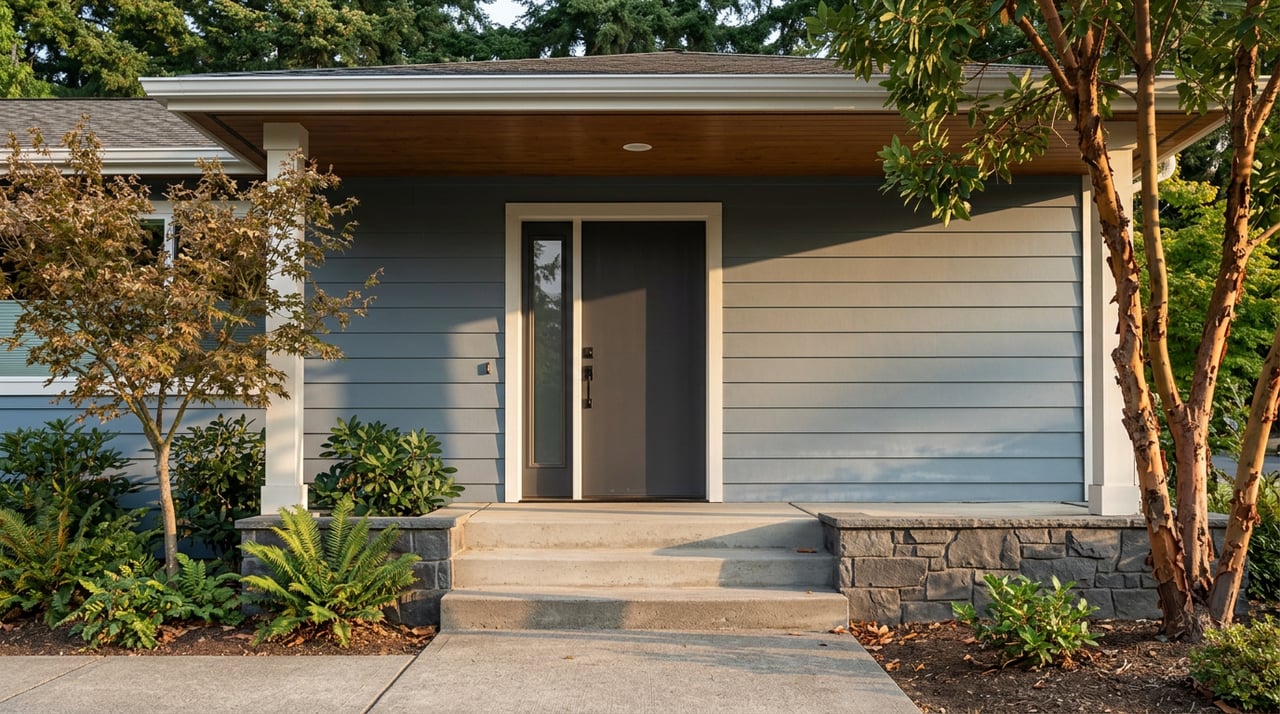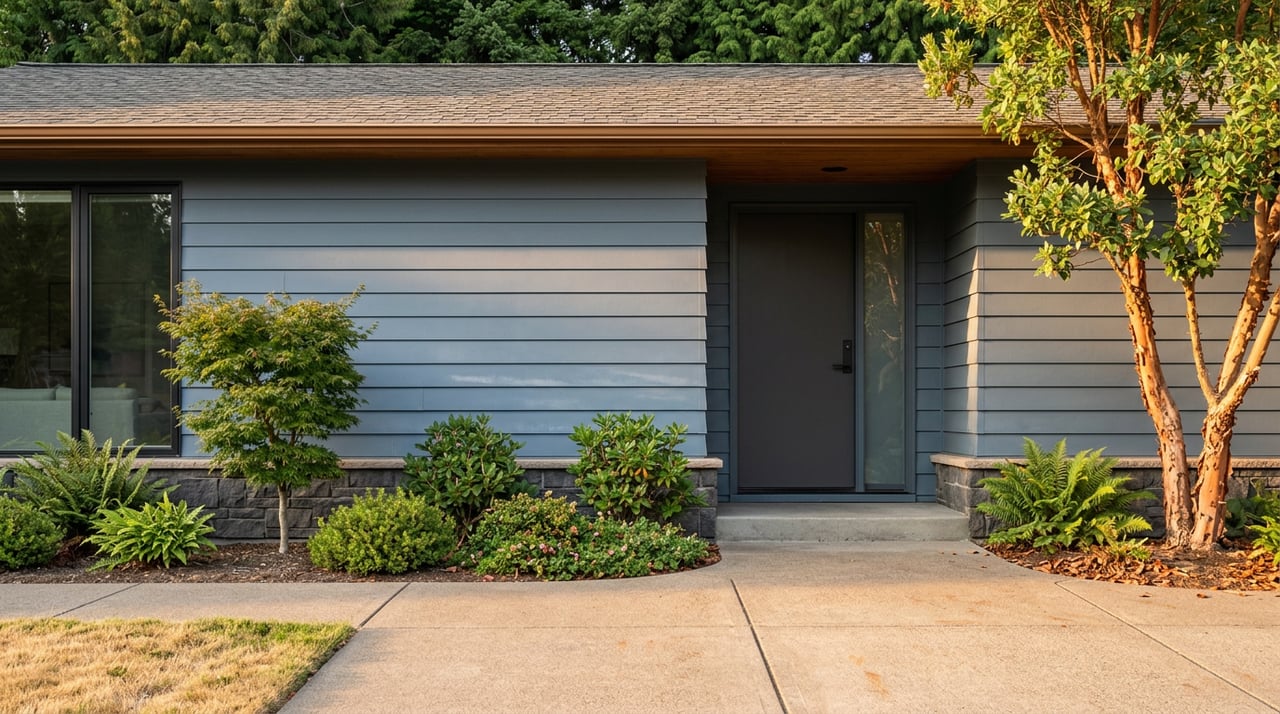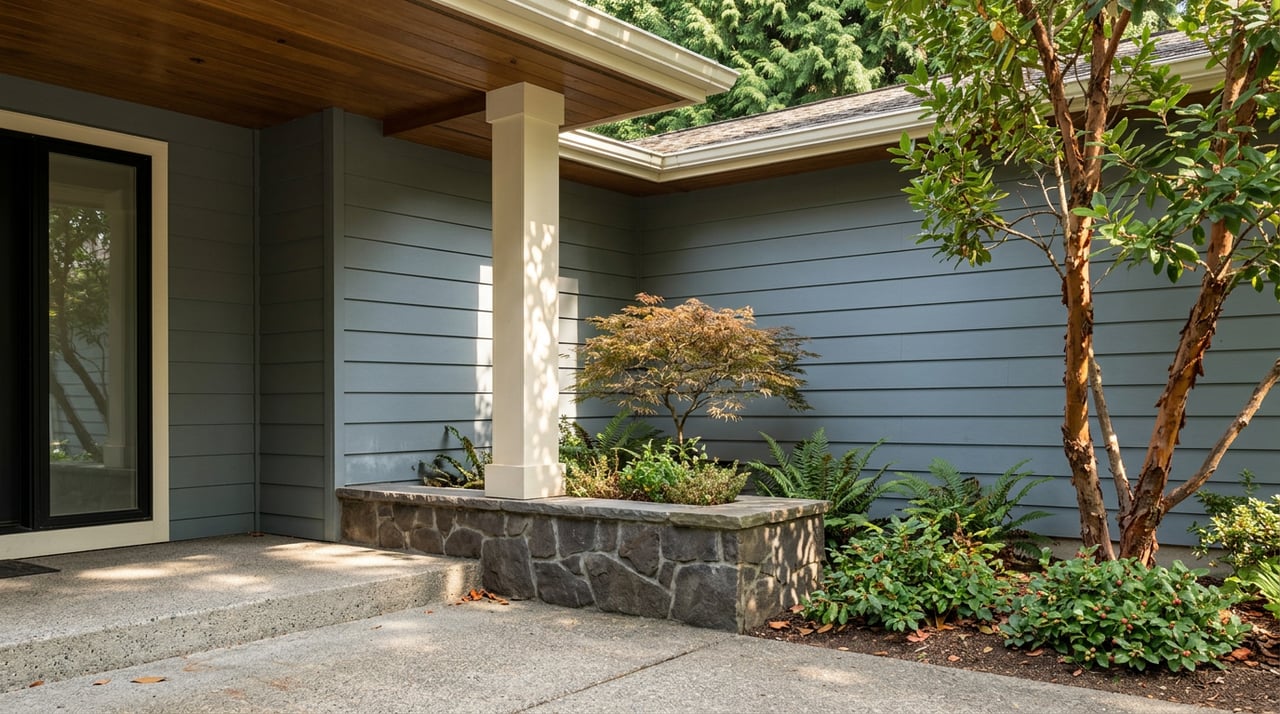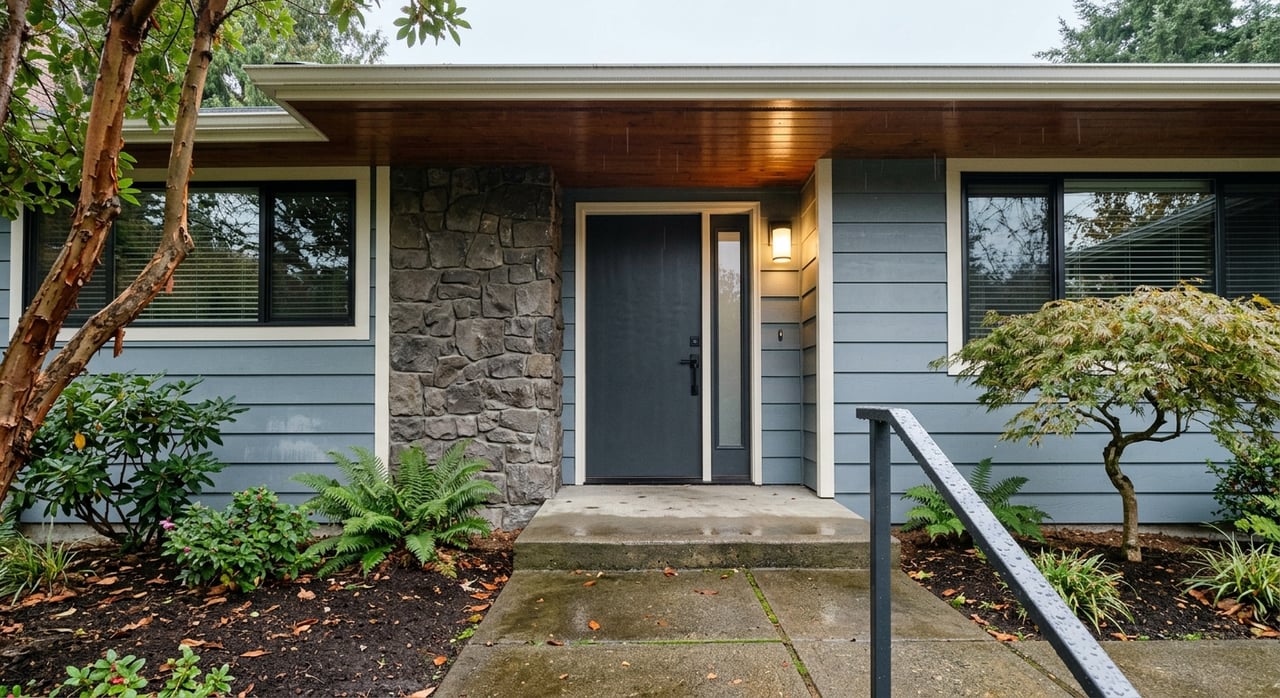
If you are thinking about selling in Puyallup, you have probably asked the same question most homeowners do: When is the right time, and how do you price it so it actually sells? That concern is valid in a market where buyers compare homes carefully, seasons shift inventory, and one neighborhood can behave very differently from another. The good news is that a strong result is possible in any season when price, condition, and marketing work together. Here is how we approach that process in Puyallup.
Why Puyallup Pricing Is Never One-Size-Fits-All
Puyallup is its own market within East Pierce County. It sits close to Tacoma, has commuter access, and draws attention from local buyers as well as people comparing options across South Hill, Tacoma, University Place, and other nearby areas.
That matters because buyers are not looking at your home in a vacuum. They are measuring it against similar homes in the right submarket, with the right age, layout, condition, and location context. A citywide average can help set the stage, but it should never be the whole pricing strategy.
Puyallup also has a varied housing mix. Downtown includes older homes and a historic core, while South Hill includes newer development and a different pattern of housing and amenities. The city identifies both Downtown and South Hill as regional growth centers, which is another reason pricing needs to be neighborhood-specific.
How We Build a Smart Price
A good list price starts with evidence, not guesswork. In practice, that means looking first at recent sold homes that are truly comparable, then checking active competition and pending sales, and finally adjusting for the details that make your property different.
Those details matter in Puyallup. More than 75% of the city’s housing stock was built before 2000, and single-unit homes still make up roughly 60% of local housing. Because so many buyers are comparing homes with similar bedroom counts and age ranges, condition, updates, and layout can have a real effect on value.
We Start With Recent Sold Comps
Recent sold homes tell you what buyers have actually been willing to pay. We look for sales that match your home as closely as possible in size, bedroom and bathroom count, year built, lot characteristics, and neighborhood setting.
This is especially important in Puyallup because a home near Downtown is not always competing with a home in South Hill, even if the square footage looks similar on paper. The buyer pool, home style, and surrounding amenities can shift value in meaningful ways.
We Check the Current Competition
Sold data tells the story of the recent past. Active listings show what buyers are seeing right now, and pending sales can help reveal where demand is landing in the current moment.
That step helps prevent a common problem: pricing based on hope instead of competition. In March 2026, Redfin reported a median sale price in Puyallup of $625,000, homes selling in about 24 days, a 98.9% sale-to-list price ratio, and 47.1% of listings showing price drops. That points to a market that still responds to solid pricing, but it also shows buyers are quick to push back when a home starts too high.
We Adjust for Condition and Presentation
Pricing is not just about square footage. If your home has been updated, well maintained, or offers a more functional layout than nearby alternatives, that can support value. If it needs repairs or cosmetic work, that also needs to be reflected clearly and honestly.
In a market with older housing stock, pre-listing maintenance is part of pricing strategy. Buyers notice deferred upkeep, and appraisal risk can increase when the contract price gets ahead of what the condition supports.
What the Current Market Means for Sellers
The local numbers suggest Puyallup remains a market where properly priced homes can move. At the same time, Pierce County data shows buyers are still value-conscious, and sold prices across the county are landing below median list prices on average.
That is why pricing discipline matters. You want enough interest early to create momentum, but not at the cost of setting a number the market will not support. A listing that lingers too long can lose leverage, even if the home itself is appealing.
Nearby markets also reinforce the need for precision. Realtor.com reported median listing prices of $529,950 in Tacoma, $591,875 in Puyallup, $599,250 in South Hill, and $696,000 in University Place. If you price a Puyallup home based on the wrong nearby benchmark, you can miss your actual buyer pool.
How We Market Puyallup Homes
Pricing gets buyers to click. Marketing gives them a reason to schedule a showing and remember your home over the others they are considering.
Today, that process starts online. Research from the National Association of REALTORS® found that 43% of buyers first looked online, 51% found their home through online search, and buyers said photos, property details, and floor plans were especially useful. In other words, your listing has to do its job before a buyer ever steps through the door.
Strong Visuals Come First
A Puyallup listing needs clear, polished visual presentation. That includes professional photography, a clean sequence of images, and room-by-room information that helps buyers understand how the home lives.
When possible, a floor plan adds another layer of clarity. Buyers often compare several homes at once, so the easier it is to understand your layout and features, the stronger your online first impression can be.
Listing Copy Should Match the Home
Good marketing copy is specific, accurate, and grounded in the property. It should explain what makes the home appealing without relying on vague filler.
In Puyallup, it can also help to reflect the location context in a factual, useful way. For example, Downtown and South Hill offer different housing patterns, and some buyers may care about proximity to commuter rail, shopping areas, parks, or community events. Clear listing copy helps the right buyers recognize the fit.
Exposure Matters Beyond Launch Day
Most buyers do not make a decision in a day or two. NAR reported a median home search of 10 weeks in 2024, which means your home’s presentation needs to hold up over time.
That is where consistent exposure matters. As a boutique brokerage with local market knowledge and CENTURY 21 network distribution, we can pair hands-on guidance with broad listing reach. That combination supports visibility while keeping the process personal and responsive.
Open Houses Are Supplemental
Open houses can be useful, but they are not the whole strategy. NAR found that 23% of buyers considered open houses useful, so they can help support activity, but they work best when the online presentation is already doing the heavy lifting.
That is why we treat open houses as one tool within a larger plan. The priority is still pricing correctly, launching well, and making sure the home looks strong wherever buyers first encounter it.
How Seasons Change the Strategy
Homes sell in every season, but the plan should adjust to the time of year. Pierce County data from NWMLS shows active listings rising from winter into spring and summer, peaking in July before easing later in the year.
That pattern tells you two things. Spring and summer usually bring more buyer activity, but they also bring more competition. Winter may bring fewer buyers, yet sellers can benefit from a smaller field of competing listings.
Spring and Summer
These seasons usually bring the most energy to the market. More buyers are active, more homes are listed, and curb appeal tends to be at its best.
The challenge is standing out. Because inventory climbs during these months, pricing and presentation need to be especially sharp. A home that is merely average in its launch can get lost in a busier field.
Fall in Puyallup
Early fall can still be a solid time to list, but Puyallup has a local factor that deserves attention: the Washington State Fair. The event runs in September and attracts more than 1 million visitors during its 21-day run.
For some properties, especially closer to Downtown, that can affect traffic, parking, and showing logistics. A good fall strategy may include more deliberate scheduling and buyer communication so the listing experience stays smooth.
Winter Opportunities
Winter is often overlooked, but that can create an advantage. There may be fewer active buyers overall, but there are often fewer listings competing for the same attention.
If your home is priced well and presented cleanly, winter can still be productive. The key is not waiting for a perfect season. It is choosing the season that fits your goals and then executing the plan well.
What Sellers Should Focus On First
If you want to sell successfully in Puyallup, start with the factors you can control. The strongest listing strategies usually come back to the same core pieces:
- Neighborhood-level pricing, not broad averages alone
- Recent sold comps supported by active and pending market checks
- Condition awareness, including repairs and presentation
- Professional online marketing with strong visuals and clear details
- Season-specific planning for competition, timing, and logistics
A good sale is rarely about luck. It is usually the result of matching the home, the market, and the message.
If you are preparing to sell, a thoughtful pricing and marketing plan can make the process less stressful and more predictable. That is especially true in a market like Puyallup, where buyers are engaged, informed, and comparing homes carefully across several nearby areas.
When you want direct, local guidance on how to position your property, Greg Pubols offers the kind of hands-on, consultative support that helps sellers move forward with confidence.
FAQs
How should a Puyallup home be priced for today’s market?
- A Puyallup home should be priced using recent comparable sales, current competing listings, pending activity, and adjustments for condition, updates, layout, and neighborhood location.
Does season matter when selling a home in Puyallup?
- Yes. Spring and summer often bring more buyer activity, while winter can mean less competition. The best choice depends on your timing, your home’s condition, and the current monthly market.
Why do neighborhood comps matter in Puyallup?
- Puyallup has distinct submarkets such as Downtown and South Hill, with different housing styles, ages, and buyer expectations. Using the right neighborhood comps helps produce a more accurate price.
What marketing helps a Puyallup listing stand out?
- Strong photography, clear property details, accurate room information, and a floor plan when possible can improve online performance and help buyers understand the home before they visit.
Should a Puyallup seller rely on an open house?
- No. Open houses can help, but they work best as part of a broader plan that includes strong pricing, online visibility, and a well-prepared listing launch.