Wondering what your University Place home should list for right now? The first price buyers see shapes how they judge everything else, from your photos to your flooring. If you want strong offers without weeks on market, you need a clear, local plan. Below, you’ll see exactly how we price homes in University Place using real data, micro-location insight, and thoughtful prep. Let’s dive in.
How we read the University Place market
Before we suggest a number, we study the University Place segment of Pierce County using current Northwest MLS data and Pierce County sales records. We look at median sale price trends, days on market, sale-to-list ratios, and months of inventory for your property type. This shows us how fast well-priced homes are moving and where buyers are meeting sellers.
We add local context that affects demand. University Place is influenced by nearby Tacoma and Lakewood, regional employers like JBLM, and amenities like Chambers Bay and Chambers Creek parks. These factors create small sub-markets that can pull values up or down within a few blocks. We factor those in before building your pricing range.
Our step-by-step pricing process
Market scan and comps
We start with recent closed sales from the last 3 to 6 months in University Place. If the market is slower, we extend to 6 to 12 months. We match by property type, beds and baths, living area, lot size, and age. When possible, we begin within the same block or within a quarter mile and expand only as needed.
We compare three sets of data: closed sales that prove value, pending sales that show current demand, and active listings that are your direct competition. We aim for 3 to 6 of the closest “look-alike” comps and note where each is stronger or weaker than your home.
Condition and upgrade adjustments
Condition changes price. We adjust for overall condition and for specific improvements, using what local buyers value most in recent sales. We look at kitchen and primary bath quality, flooring, windows and insulation, roof and HVAC, and whether updates are cosmetic or full remodels.
We keep deferred maintenance separate because it carries heavier buyer discounts and can affect financing and inspection outcomes. A worn roof or aging electrical panel, for example, may require a larger downward adjustment than dated countertops.
Micro-location weighting
In University Place, micro-location matters. We weigh features like proximity to water or views, closeness to Chambers Bay and community parks, street noise and traffic, walkability to retail and services, lot usability and privacy, and local school boundaries. We do not make value judgments about schools. We simply note how recent sales inside certain boundaries have performed when compared to similar homes nearby.
We assign higher weight to features that recent buyers have paid a premium for. A near-identical home with a view corridor or quieter street setting may justify a higher position within the pricing range.
Competing inventory and position
Your price depends on the inventory you face. In a low-inventory, seller-leaning segment, listing slightly under the perceived market value can widen your buyer pool and spark multiple offers. In a balanced market, we price at fair market value and rely on condition, photos, and staging to stand out. In a buyer-leaning market, conservative pricing and stronger pre-list improvements are often necessary to drive traffic.
We will show you how your home stacks up against the 3 to 6 closest actives, pendings, and solds, and we will explain our adjustments in plain terms.
Pricing tactics and trade-offs
We offer three clear strategies:
- Market-value pricing. Targets the most likely buyer pool and helps avoid long days on market.
- Slight underpricing. Can create more showings and potential bidding if inventory is tight and demand is strong. There is a risk of selling below potential if demand is softer than expected.
- Overpricing above market. Sometimes used for unique features or when competition is thin. Often leads to fewer showings and later price reductions if not well supported.
We pair each strategy with a projected buyer pool, an expected days-on-market range, and a likely sale-to-list ratio based on similar sales.
Prep, improvements, and staging
High-ROI pre-list projects
Small, targeted improvements can move you higher within the comp range. Based on industry benchmarks and local buyer behavior, we prioritize:
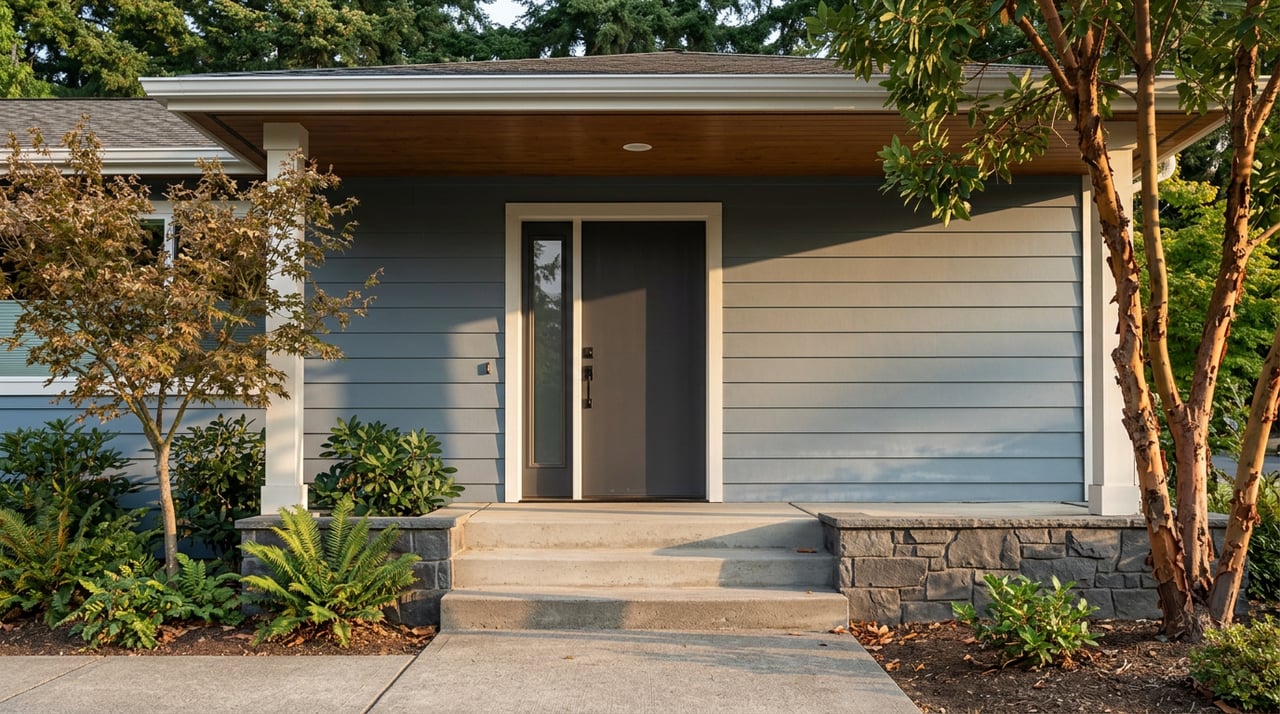
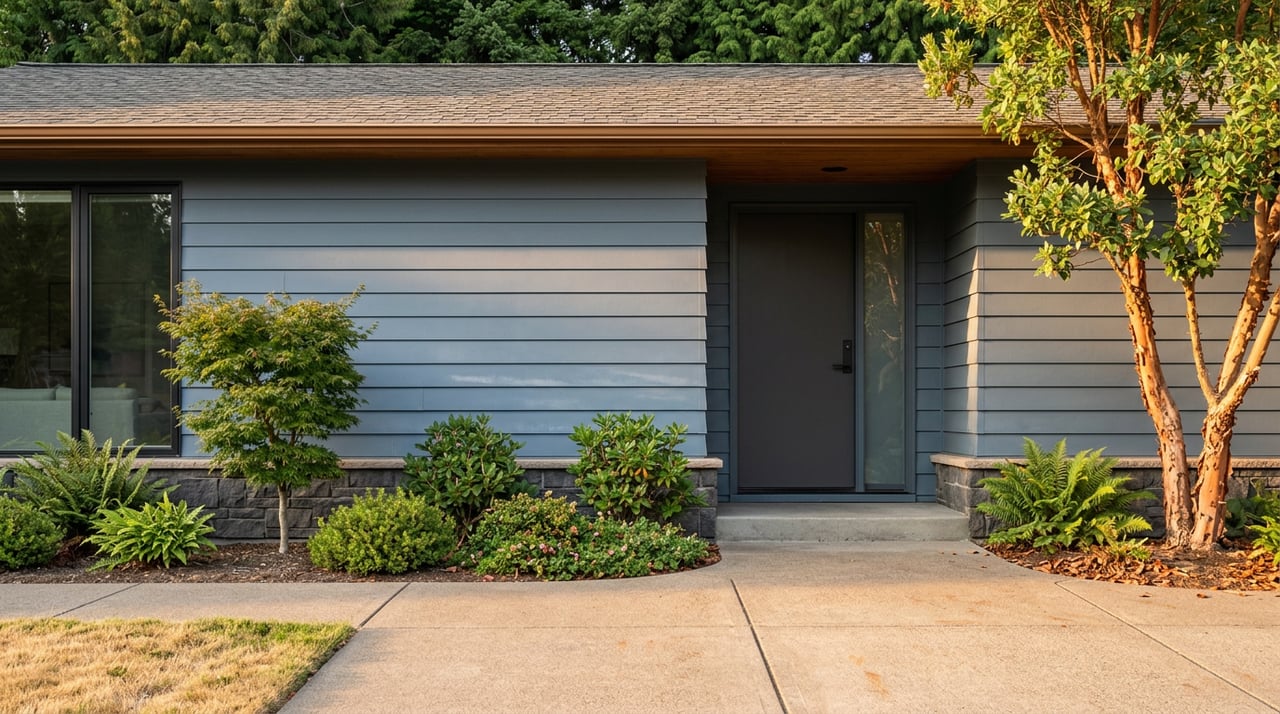
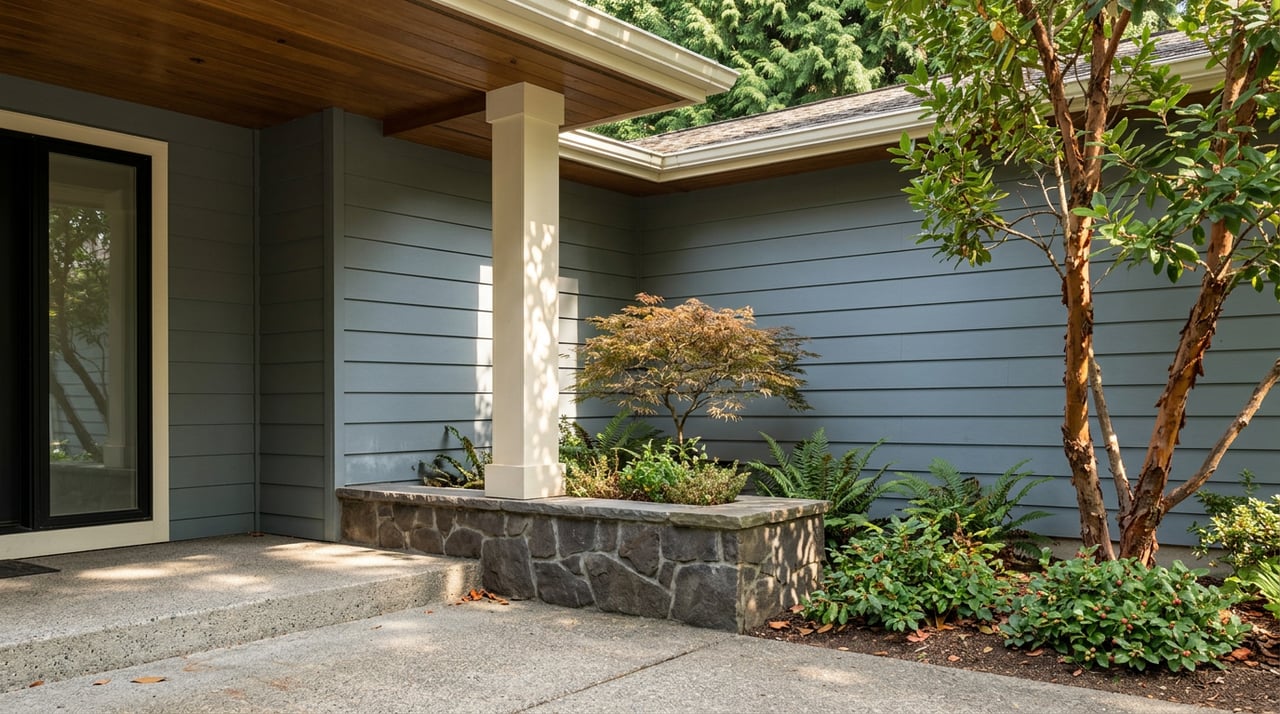
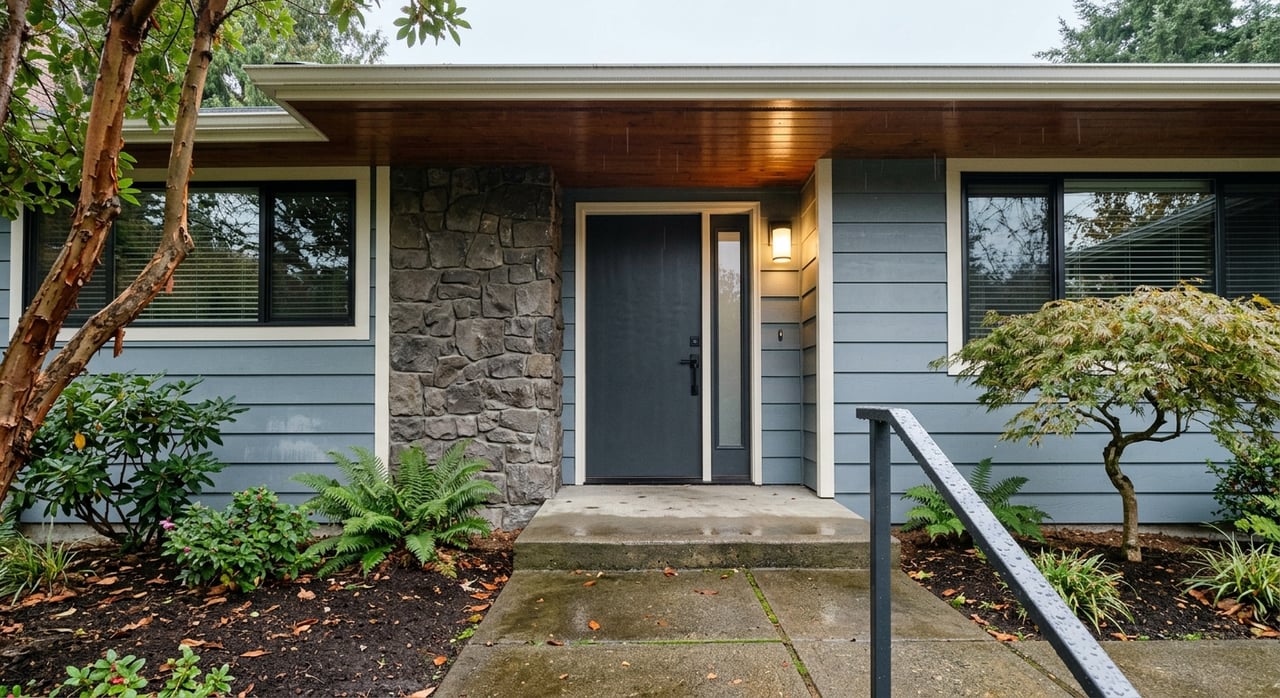
- Curb appeal and first impressions. Landscape touch-ups, exterior paint touch-ups, and a refreshed front entry often deliver outsized results.
- Clean, neutral interior paint and decluttering. Inexpensive and high impact for photos and perceived condition.
- Flooring repair or refinishing. Worn floors drag down the whole house in buyer eyes.
- Kitchen refreshes. Cabinet refinish, new hardware, and a simple backsplash tend to outperform full gut remodels on ROI for most sellers.
- Critical maintenance. Fix obvious items like leaks or broken windows that can derail inspections or financing.
Some improvements make the home “sellable” rather than adding dollar-for-dollar value. We will be candid about both the cost and the likely effect on price or time to sell.
How staging helps
Staged and well-presented homes typically attract more showings and can sell faster. The price lift varies by segment and condition, but staging reduces perceived risk and helps justify listing at or slightly above the midpoint of the comparable range when otherwise you might be at the low end.
Options include professional staging for vacant homes, partial or virtual staging for key rooms, and simple decluttering and light prep for occupied homes. We will match the approach to your price point and timeline.
When to skip heavy upgrades
If the market is extremely hot and similar homes are selling quickly without major updates, a large pre-list remodel may not pay off. On higher-priced or slower-moving homes, buyers scrutinize finishes. In those cases, targeted upgrades or staging often help you hit your price target.
Buyer psychology and pricing signals
Anchoring and price bands
Buyers anchor to your list price. The first number they see shapes how they judge your value. Frequent price changes can signal weakness and reduce urgency. Getting the opening price right matters.
Many buyers also search by round-number thresholds. Pricing just below a common threshold can increase search visibility, while a small bump above it can shrink your audience. We use local search behavior to pick thresholds that help your home appear in more saved searches.
Framing with photos and copy
Your photos, floor plan, and listing description all frame your price. High-quality visuals and feature-forward copy reduce price resistance. Staging and professional photography are not just cosmetic. They are tools to present value clearly and support your number.
Time on market and momentum
Long days on market often tell buyers that a seller is negotiable or that there are hidden issues. A well-priced listing that shows well can build momentum and attract stronger, cleaner offers. We will set expectations for likely days on market and explain how pricing choices influence that timeline.
Valuation tools we use
Instant valuation: strengths and limits
An instant valuation gives you a quick, ballpark estimate using public records and recent sales. It is a helpful starting point. However, no algorithm can see interior condition, layout flow, lot usability, light, views, or recent upgrades. Accuracy varies, especially for unique homes, view properties, and custom renovations.
We encourage you to use the instant estimate as a conversation starter, not a final price.
On-site walkthrough and CMA
Our on-site visit captures what the data cannot. We verify effective age, document upgrades, assess layout functionality, evaluate lot and privacy, and note items that could affect marketability, such as odor, pet wear, or visible deferred maintenance.
After the visit, you receive a detailed comparative market analysis with the nearest comps, our adjustment notes, a recommended list price range, and staged versus as-is scenarios. We will also include a suggested prep timeline and cost ranges if requested.
Why both tools matter
The instant valuation helps set expectations and speed up planning. The on-site walkthrough produces the precise price opinion and positioning you can take to market with confidence.
Your deliverables and timeline
Here is what you can expect when you price with us:
- A focused set of 3 to 6 comparable sales, plus active and pending competition.
- An adjustment checklist showing where your home is stronger or weaker and why.
- A recommended list price range with three strategy paths and trade-offs.
- A prep and staging plan with budget tiers and timing suggestions.
- A clear marketing calendar so you know what happens between now and live date.
This process is especially helpful for estate, probate, and guardianship sales that need careful stewardship and documentation.
Simple pre-list checklist
Use this to prepare for photos and showings:
- Exterior. Mow, edge, weed, refresh mulch, clean gutters, and touch up paint on trim and front door.
- Interior. Declutter, deep clean, and apply neutral paint where scuffs or bold colors distract.
- Floors. Repair or refinish worn hardwoods; clean or replace tired carpet as needed.
- Kitchen and baths. Update hardware, caulk and grout, and replace dated lighting for a quick refresh.
- Systems. Service HVAC, address leaks, replace cracked windows, and test smoke and CO detectors.
- Staging. Prioritize the living room, kitchen, primary bedroom, and main bath for the biggest impact.
Ready to price with confidence?
If you are planning to sell in University Place or nearby Tacoma–Lakewood, let’s build a tailored pricing plan anchored in local data and your home’s true condition. Reach out to Greg Pubols for a quick consultation, instant valuation, and on-site walkthrough to finalize your number.
FAQs
How many comps will you use for my University Place home?
- We focus on 3 to 6 of the most similar closed sales and add active and pending listings to show your direct competition and current demand.
Should I renovate before listing in University Place?
- Start with high-impact, lower-cost items like curb appeal, paint, decluttering, flooring touch-ups, and repairs; consider larger upgrades only if the expected price gain exceeds the cost and timing works.
How accurate is an instant online valuation?
- It is helpful for a rough range but can miss interior condition, upgrades, views, and lot factors, so we follow with an on-site CMA to refine your price.
Is it risky to price below market to spark multiple offers?
- It can work in low-inventory segments, but if demand is weaker than expected, you may sell for less than with a well-supported market-value price.
Will staging affect my final sale price?
- Staging typically increases showings and can shorten time on market; the exact price impact varies by property type, condition, and local demand.