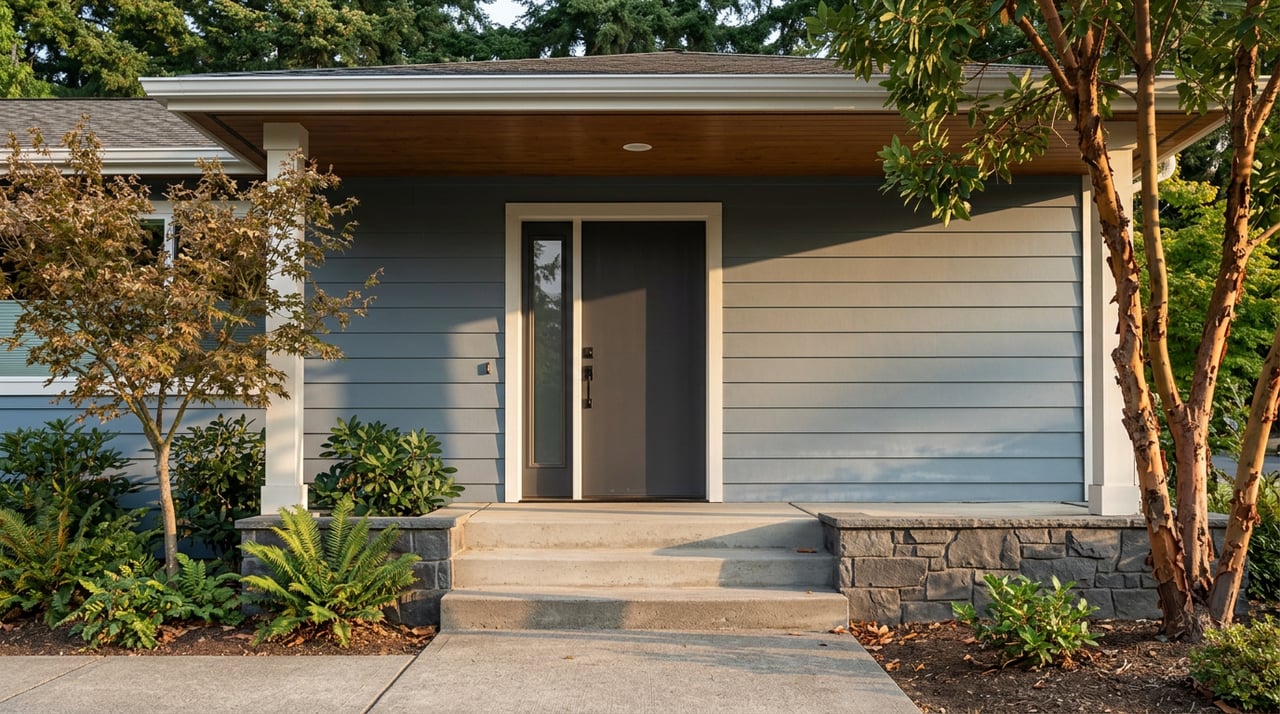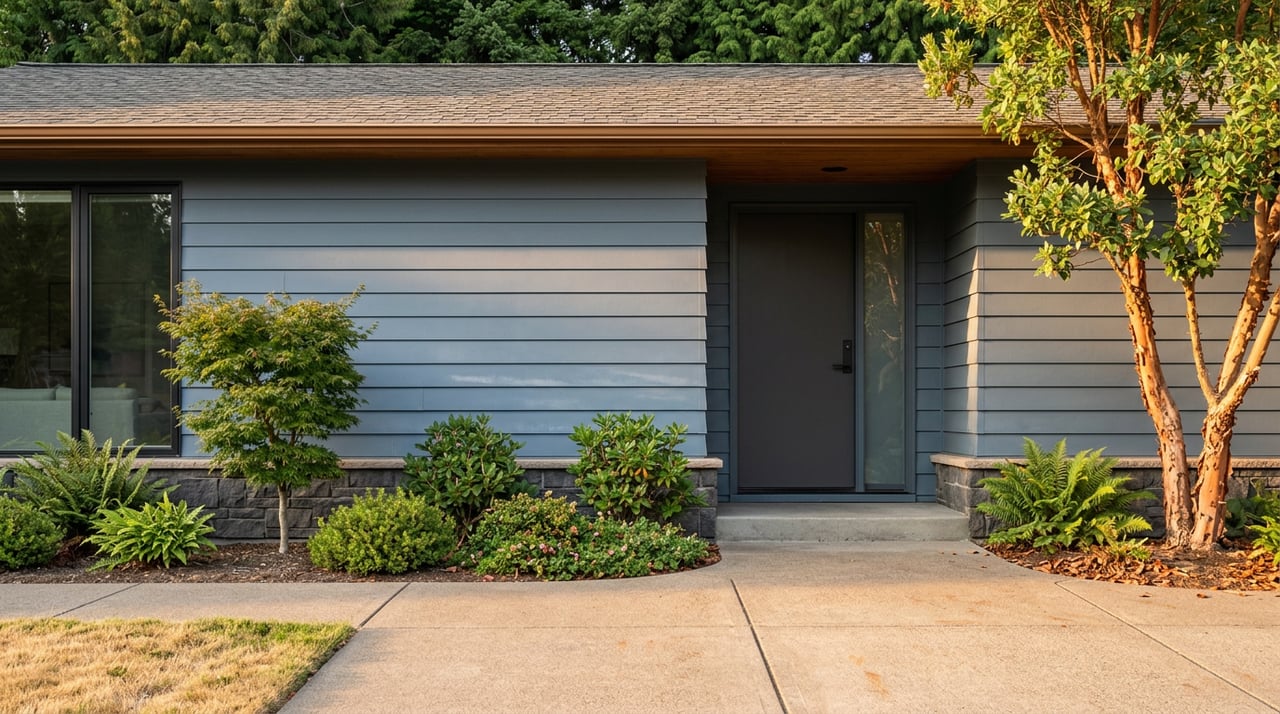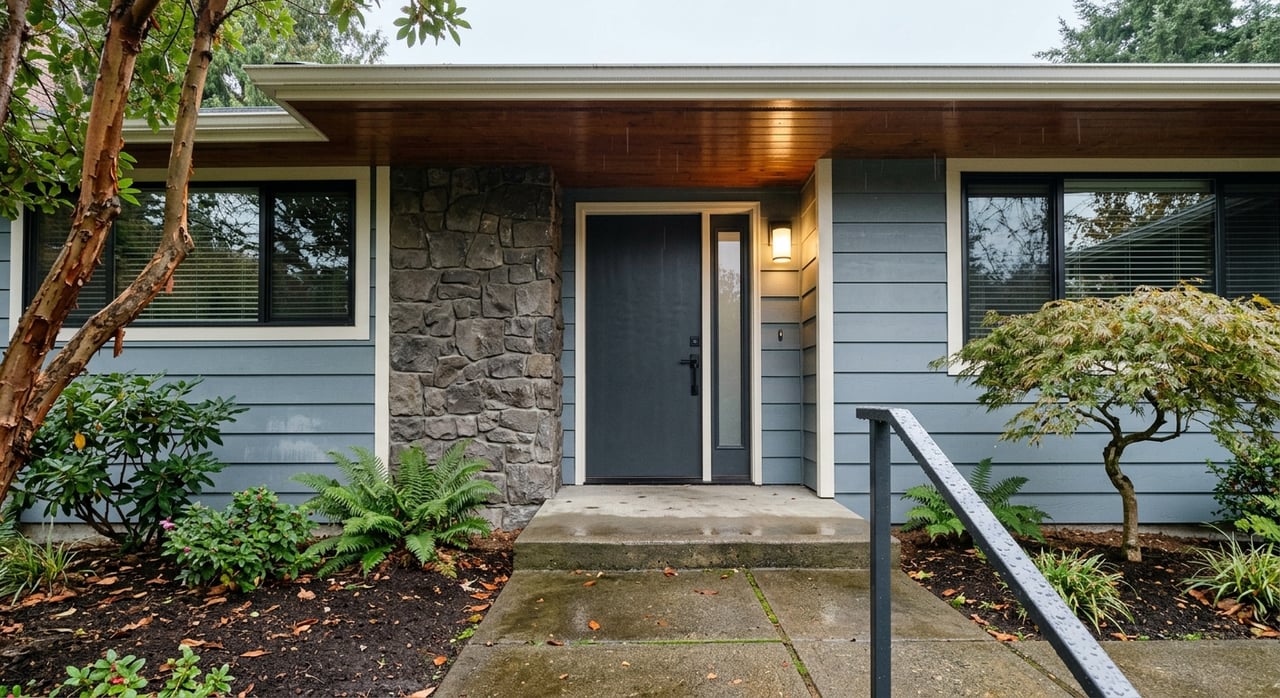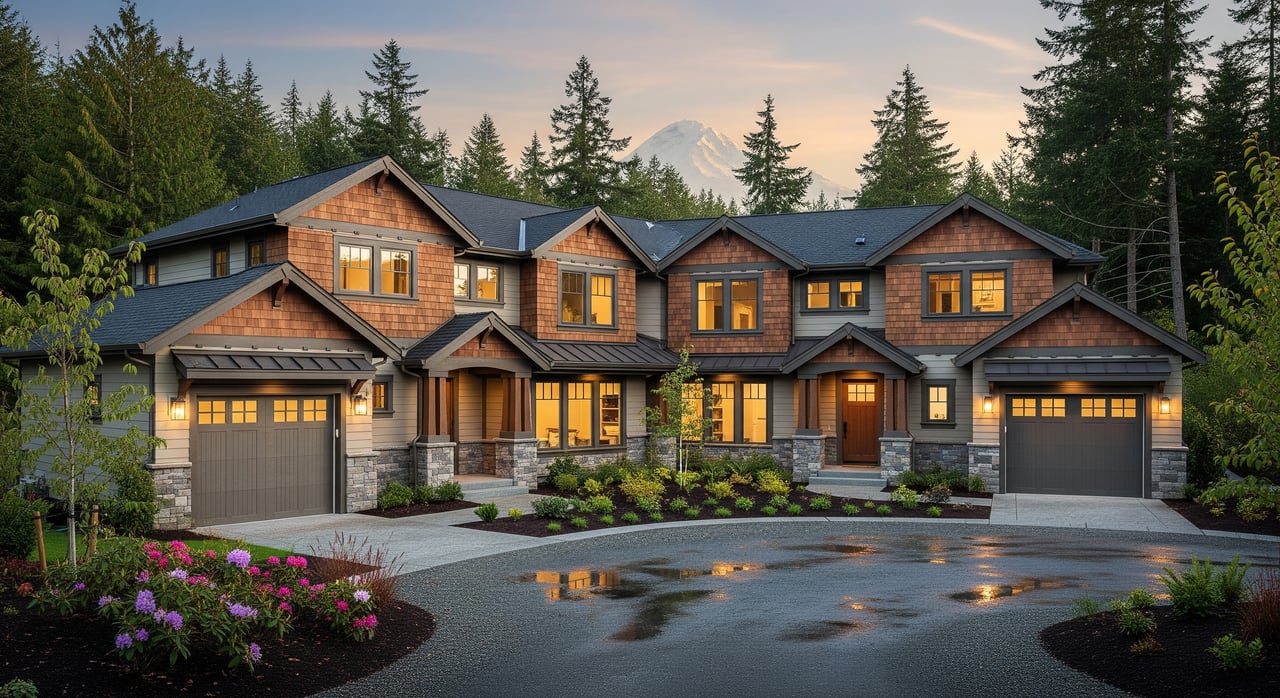
Thinking about buying a duplex in Lakewood so you can live in one unit and rent the other, or add a steady small multifamily to your portfolio? You’re in the right place. Lakewood sits next to Joint Base Lewis‑McChord (JBLM) and within the Tacoma–Pierce County metro, which creates dependable rental demand and clear rhythms for leasing. In this guide, you’ll learn how to size up rents and expenses, run cap rate and cash‑on‑cash math, compare financing options, plan for management, and structure a strong offer. Let’s dive in.
Why Lakewood duplexes
Lakewood functions as a Tacoma‑area submarket with pricing and rent dynamics distinct from King County. Proximity to JBLM drives consistent renter interest from active‑duty households, contractors, and veterans, alongside local commuters and working professionals. Many renters here value 2–3 bedroom layouts, parking, and in‑unit laundry. Treat Lakewood comps and rent studies as Tacoma‑centric, and verify assumptions with local data.
Analyze the numbers
Use a simple, repeatable framework so you can compare properties apples‑to‑apples.
- Gross Scheduled Income (GSI) = total annual rents if fully occupied.
- Effective Gross Income (EGI) = GSI − vacancy/collections − concessions + other income.
- Operating Expenses = taxes + insurance + owner‑paid utilities + maintenance/repairs + management + reserves + HOA (if any) + other.
- Net Operating Income (NOI) = EGI − Operating Expenses.
- Cap Rate = NOI / Purchase Price.
- Cash‑on‑Cash Return = Annual pre‑tax cash flow / total cash invested.
- Debt Service Coverage Ratio (DSCR) = NOI / annual debt service.
- Gross Rent Multiplier (GRM) = Purchase price / gross annual rent.
Build a base‑case pro forma, then stress test it. A small change in rent or expenses can shift your cap rate and cash flow more than you expect.
Build rent and vacancy
Start with comparable rentals for similar unit sizes, bed/bath mix, and parking. Use multiple sources: local MLS rental data, county records, and conversations with nearby property managers. Compare asking rents to executed leases and adjust for unit condition.
- Set a market rent and a conservative rent (for example, reduce by 5%).
- Model vacancy at 3%, 7%, and 10% to cover tight, normal, and soft market cases.
- Note JBLM seasonality. Military PCS cycles can concentrate move‑ins and move‑outs, which may speed leasing in certain months but also raise turnover.
Estimate operating expenses
For small multifamily, a 30–50% operating expense ratio of gross income is common, with higher ranges for small portfolios. Break out each line item and verify locally.
- Property taxes: pull exact figures from Pierce County Assessor records.
- Insurance: confirm with a local broker; costs vary by age, size, and coverage.
- Utilities: many duplexes have tenants pay electricity and gas, while owners may cover water/sewer or common‑area electricity. Verify meters and who pays what.
- Maintenance and repairs: plan 5–10% of gross rent, plus a capital reserve of about $250–$500 per unit per year, adjusted for age and condition.
- Management: expect 8–12% of collected rent for professional management, with possible minimums.
- Turnover: budget cleaning, paint, minor repairs, and marketing per vacancy.
Financing options
Owner‑occupants and investors can use different loan routes. Always verify current program rules and lender overlays.
- FHA 2–4 units: as little as 3.5% down for owner‑occupants who live in one unit.
- VA loans: eligible veterans can purchase 1–4 units as owner‑occupants with low or no down payment.
- Conventional loans: down payments often range from 15–25% depending on occupancy, credit, and property type.
- Model DSCR and cash‑on‑cash using realistic interest rates and a 30‑year amortization where applicable.
If you’re house‑hacking, FHA or VA can lower your cash in, which may improve cash‑on‑cash. If you’re non‑owner‑occupied, underwrite with conservative rents and vacancy to ensure the property supports the debt.
Cap rate sensitivity
Cap rate equals NOI divided by price. Because duplexes have fewer units, small changes in income or costs can move your cap rate quickly. Test multiple scenarios before you write an offer.
| Scenario | Vacancy Assumption | Expense Ratio | What to Note |
|---|---|---|---|
| Conservative | 10% | 50% of EGI | Lower NOI and cap rate; use if rents feel uncertain or condition is dated. |
| Base | 7% | 40% of EGI | Middle‑of‑the‑road pro forma for typical condition and management. |
| Aggressive | 4% | 35% of EGI | Use only if comps and condition clearly support lower vacancy and costs. |
Run a second pass with rent reduced by 5% and expenses increased by 10% to see worst‑case impacts on cash flow and DSCR.
Acquisition and offers
Price from sold comps, not just listings. Focus on the past 6–12 months, similar lot size, unit mix, condition, and location relative to JBLM and major commute routes. Where possible, note buyer financing type, as cash purchases may skew pricing.
When you write, lead with your financial thresholds. Define the minimum cash‑on‑cash and cap rate you need. Keep standard contingencies for inspection, financing, and rent‑roll verification. If competition is strong, shorten timelines where you can without sacrificing due diligence. If rents have clear upside after improvements, show your pro forma to support price.
Due diligence checklist
- Rent roll and leases: obtain copies of current leases, deposits, and payment histories.
- Physical inspections: general, roof/structure, electrical/plumbing, HVAC, pest, and lead paint where applicable.
- Zoning and code: confirm legal duplex status and any permits with the City of Lakewood or Pierce County.
- Utilities and meters: verify who pays each utility and whether units are separately metered.
- Parking and curb appeal: confirm off‑street spaces per unit; parking impacts rentability.
- Insurance history: request prior claims to spot recurring issues.
- Capital plan: estimate timelines and costs for roof, siding, systems, and exterior.
- Turnover timing: factor lease‑up timing, noting JBLM PCS cycles.
- Local requirements: check for rental registration, inspections, or licensing needs.
Management and operations
Choose between self‑management and professional management based on your time, expertise, and proximity.
- Self‑management: saves on fees but requires time and knowledge of local rules. It can work well for house‑hackers living on site.
- Professional managers: often 8–12% of collected rent, plus a leasing fee (commonly 50–100% of one month’s rent). Some charge maintenance coordination or minimums.
Stabilize with 12‑month leases, offer renewals tied to market, and maintain an operating reserve of three to six months. Keep a separate capital reserve for big‑ticket items. Washington landlord‑tenant law has specific notice and process requirements, so align with a local attorney or manager who knows the rules.
Local data to gather
- Pierce County Assessor and Recorder: taxes, parcel data, sales history.
- City of Lakewood: rental licensing, inspection programs, zoning, and permits.
- Joint Base Lewis‑McChord: base population and economic impact context.
- U.S. Census/ACS: demographic and rent trend background.
- Local MLS and broker reports: sold duplex comps and active listings.
- Rental trend sources and property managers: to triangulate achievable rents and vacancy.
Next steps
- Clarify your goals: house‑hack vs. investor, return targets, and time horizon.
- Get pre‑approved: align financing with your plan and stress‑test your numbers.
- Build your team: inspector, lender, and (if desired) a property manager.
- Run your pro forma: test base and conservative scenarios before you offer.
If you want a local, hands‑on guide to source comps, build a bulletproof pro forma, and negotiate with confidence, connect with Greg Pubols at CENTURY 21 Blue Chip. You’ll get practical advice rooted in Tacoma–Lakewood market knowledge and a plan tailored to your goals.
FAQs
How does JBLM affect Lakewood duplex vacancy?
- JBLM’s PCS cycles drive predictable move‑ins and move‑outs, which can speed lease‑ups during certain months but also increase turnover timing. Underwrite vacancy across multiple scenarios.
What vacancy rate should I use for a Lakewood duplex pro forma?
- Model at 3%, 7%, and 10% to cover tight, normal, and soft markets, then choose a conservative figure that fits your risk tolerance and the property’s location and condition.
Can I buy a Lakewood duplex with FHA or VA financing?
- Yes. FHA allows owner‑occupants to purchase 2–4 units with as little as 3.5% down, and eligible VA buyers can use VA financing for 1–4 units as owner‑occupants, subject to program rules.
What are typical property management fees in Pierce County?
- Many managers charge 8–12% of collected rent, plus a leasing fee that is often 50–100% of one month’s rent. Some also have minimums or coordination fees.
Which documents should I request during duplex due diligence?
- Request current leases, rent rolls, deposit records, payment histories, utility and meter details, permits and code records, insurance claims history, and all inspection reports.
Is furnishing one unit a good strategy near JBLM?
- It can be, depending on demand and rules. Furnished, move‑in‑ready units close to JBLM may lease faster for certain tenants. Confirm HOA or local restrictions first.