If you want a Tacoma neighborhood that feels connected to daily life, North Tacoma often rises to the top. You can find walkable business districts, historic streets, and easy access to the waterfront, all within a part of the city known for its older neighborhood layout and local character. If you are weighing a move here, this guide will help you understand how North Tacoma functions day to day and what kinds of homes and lifestyle you can expect. Let’s dive in.
What North Tacoma Really Includes
North Tacoma is not one single, uniform neighborhood. City planning materials describe it more accurately as a group of connected areas, including the North End, Old Town, Proctor, Stadium District and North Slope, plus the Ruston Way and Point Ruston waterfront corridor. Together, these areas reflect Tacoma’s historic streetcar-era pattern, which helps explain why so much of North Tacoma feels more walkable and neighborhood-scaled than newer, more auto-oriented areas.
That distinction matters when you are home shopping. One part of North Tacoma may put you close to a compact retail district, while another may give you quicker access to shoreline trails, parks, or historic residential streets. Knowing the subareas can help you narrow your search with more confidence.
Why Walkability Stands Out
North Tacoma’s walkability comes largely from older business districts and smaller blocks. According to Tacoma’s planning documents, areas like Proctor and Stadium grew as streetcar-era centers, with storefronts, housing, and pedestrian-friendly design that still shape the experience today. That older layout is one reason the area appeals to buyers who want more than a purely drive-everywhere routine.
In practical terms, walkability here usually means easier access to coffee shops, small businesses, dining, and neighborhood services. It does not mean every street functions the same way, but several pockets of North Tacoma support a more connected daily rhythm.
Proctor Offers Easy Daily Errands
The Proctor District is one of the clearest examples of walkable living in North Tacoma. Visit Pierce County describes tree-lined residential streets feeding into a small retail core with boutiques, consignment shops, family-owned restaurants, the Blue Mouse Theater, and a Saturday farmers market.
For many buyers, that translates into convenience you can feel. You may be able to handle a coffee run, pick up a few things, or meet friends for a casual meal without getting in the car for every outing.
Stadium Adds Historic Urban Energy
The Stadium District offers another strong walkable node, but with a slightly different feel. It is known for historic homes, older commercial buildings, tree-lined streets, Wright Park, and the nearby W.W. Seymour Conservatory.
This area also benefits from Tacoma Link service along the southern edge of North Tacoma. That connection can make it easier to reach downtown Tacoma and nearby cultural destinations, especially if you want neighborhood character with closer ties to the urban core.
Waterfront Access Is a Major Draw
For many people, North Tacoma’s biggest lifestyle advantage is how easily it connects you to the water. The Ruston Way Waterfront is the signature example, offering a 2-mile paved walking trail along Commencement Bay, waterfront dining, and shoreline views.
At the north end of that corridor, Point Ruston adds a newer mixed-use district with dining, shopping, entertainment, and recreation. If you picture morning walks, sunset views, or spending more time outdoors near the water, this part of Tacoma gives you a strong starting point.
Old Town Connects History and Shoreline
Old Town adds another layer to the waterfront experience. City planning materials describe it as Tacoma’s original town site, with a successful North 30th Street commercial corridor, mostly single-family housing uphill, some higher-density housing and newer condominiums, and several parks and waterfront businesses along Ruston Way.
That mix can appeal to buyers who want both history and convenience. You get a neighborhood with roots, but also a setting that stays closely tied to the shoreline and nearby activity.
Point Defiance Expands Outdoor Options
North Tacoma also benefits from close access to Point Defiance Park, one of Tacoma’s defining outdoor destinations. Visit Pierce County identifies it as a 702-acre park with old-growth forest, gardens, Owen Beach, and the Point Defiance Zoo & Aquarium.
Parks Tacoma is also building the second phase of the Loop Trail, which will add 1.6 miles of separated trail connecting major park destinations. Current detours are in place while work continues, and completion is expected in early summer 2026. For buyers who value trails, shoreline access, and large park amenities, this is an important part of the North Tacoma lifestyle picture.
Housing Has Character and Variety
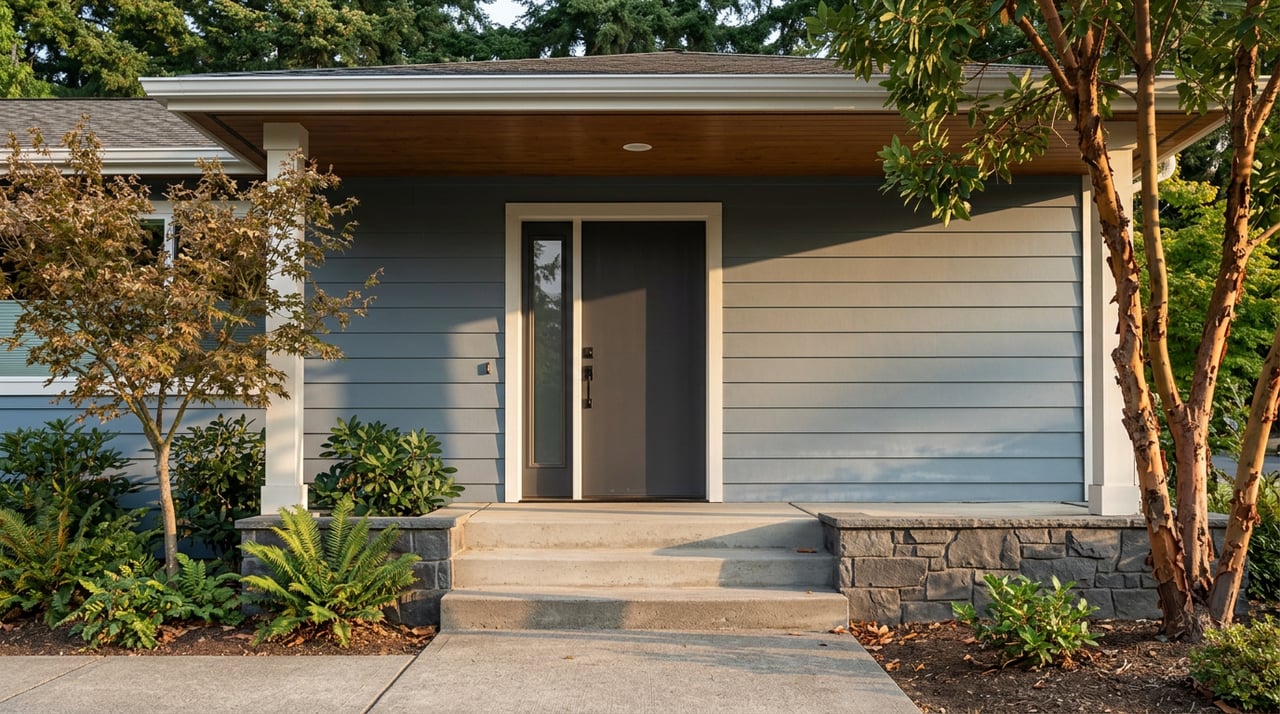
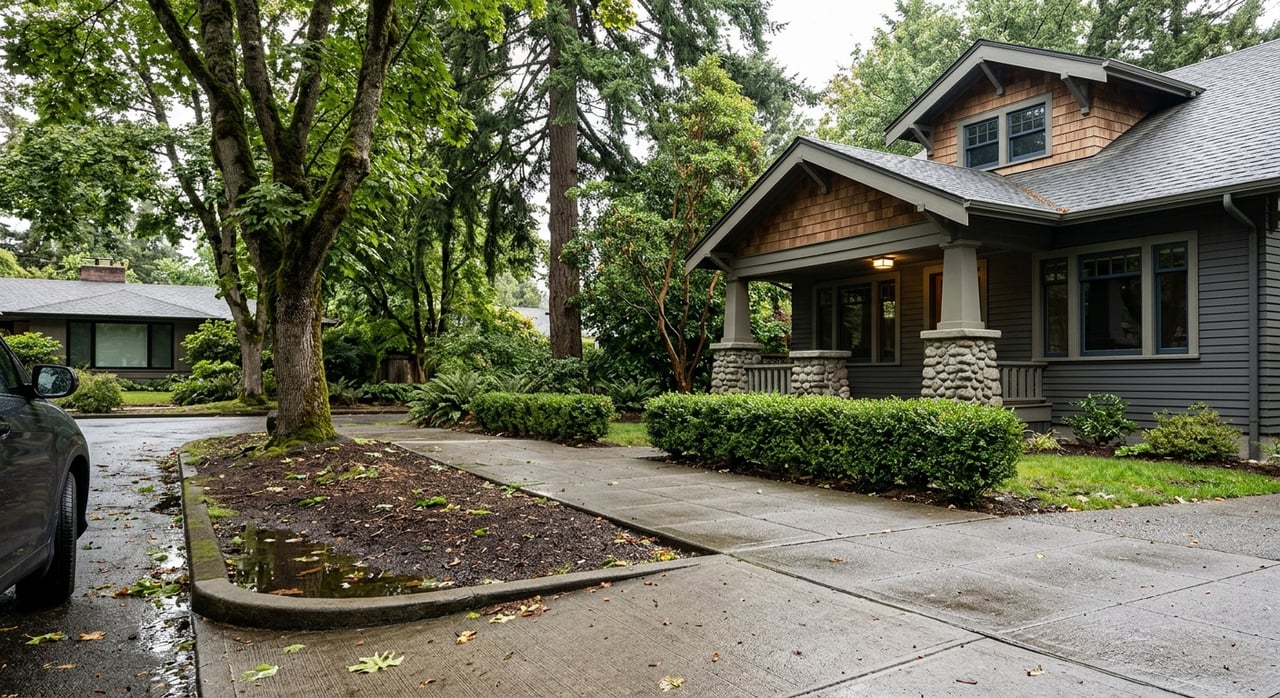
If you are drawn to older homes with architectural detail, North Tacoma stands out in the Tacoma market. City historic preservation materials note that the North Slope Historic District includes a strong concentration of Victorian, Craftsman, Colonial Revival, and Foursquare homes.
The same source describes the Stadium-Seminary Historic District as a high-style residential area with tree-lined avenues and notable early-20th-century homes. More broadly, Tacoma preservation documents point to housing styles such as Queen Anne, Bungalow, Georgian Revival, Tudor Revival, and Mission Revival across the city’s historic areas.
Where Different Home Types Cluster
For buyers, the practical takeaway is fairly straightforward. North Slope and Stadium tend to offer the strongest concentration of historic architecture and established residential character.
Closer to Old Town and the waterfront, you are more likely to see some condominium-style housing and newer infill mixed into the older fabric. That gives North Tacoma a wider range of options than you might expect, especially if you want lower-maintenance living near the water.
Daily Life Feels Local
Part of North Tacoma’s appeal is that it feels like a collection of real neighborhoods, not just a map label. City neighborhood strategy materials identify active organizations such as the Proctor Business District Association, Old Town Business District Association, North End Neighborhood Council, and North Slope Coalition.
That kind of local structure often supports a stronger neighborhood identity. For you as a buyer or seller, it can mean business districts that stay active, local institutions that help shape the area, and a place that tends to feel lived-in and established.
Commute Expectations Matter
North Tacoma can be very practical for people who work in Tacoma, but it helps to keep regional travel in perspective. Tacoma’s 2024 community profile reports that about 28% of working Tacoma residents also work in Tacoma, 12% commute to Seattle, the mean travel time to work is 30.4 minutes, and roughly 70% of workers drive alone.
That suggests a balanced takeaway. North Tacoma can work well if you want neighborhood-scale living with access to Tacoma job centers, but it may be less ideal if your goal is to live fully car-free or maintain a consistently short Seattle commute.
Tacoma’s economic development planning also notes that jobs are concentrated in major centers such as downtown and the University of Puget Sound area. That helps explain why North Tacoma often feels convenient for local and nearby work, even though broader regional travel may still require more time and planning.
Nearby Culture Adds Value
Living in North Tacoma is not only about residential streets and waterfront paths. You are also close to downtown Tacoma’s Museum District, which includes six major museums: the Museum of Glass, Tacoma Art Museum, Washington State History Museum, Children’s Museum of Tacoma, Foss Waterway Seaport, and LeMay, America’s Car Museum.
For many buyers, that nearby access adds depth to everyday life. It gives you more options for weekend plans, visiting family, and exploring the city beyond your immediate block.
Is North Tacoma a Good Fit for You?
North Tacoma is often a strong fit if you want older homes, recognizable neighborhood centers, and easy access to the waterfront. It also appeals to buyers who value a more established street pattern and a mix of local dining, parks, and historic character.
It may be a less natural fit if your top priority is a newer housing stock, a fully car-light lifestyle, or the shortest possible trip to Seattle. The key is matching your daily routine with the specific part of North Tacoma that supports it best.
If you are comparing North Tacoma neighborhoods, considering a move, or preparing to sell in this part of Tacoma, working with a local advisor can help you sort through the tradeoffs with less stress. Greg Pubols brings a steady, consultative approach to Tacoma real estate, whether you need neighborhood guidance, pricing insight, or support through a more complex move.
FAQs
Which North Tacoma areas are most walkable for daily life?
- Proctor and the Stadium District are the strongest examples of compact, pedestrian-friendly neighborhood centers in North Tacoma, with easier access to shops, dining, and local amenities.
Where can you find the best waterfront access in North Tacoma?
- Ruston Way, Point Ruston, Owen Beach, and Point Defiance are the main waterfront and shoreline anchors for walking, recreation, and scenic access.
What types of homes are common in North Tacoma?
- Historic Craftsman, Victorian, Bungalow, Colonial Revival, and Foursquare homes are especially common in parts of North Tacoma, with some condos and infill housing closer to Old Town and the waterfront.
How manageable is a commute from North Tacoma?
- North Tacoma can be convenient for Tacoma-area jobs, but Tacoma’s average commute is about 30.4 minutes, and Seattle commutes are still significant enough to factor into your decision.
What makes North Tacoma different from newer Tacoma neighborhoods?
- North Tacoma stands out for its streetcar-era layout, historic housing, compact business districts, and strong access to waterfront destinations and established neighborhood centers.