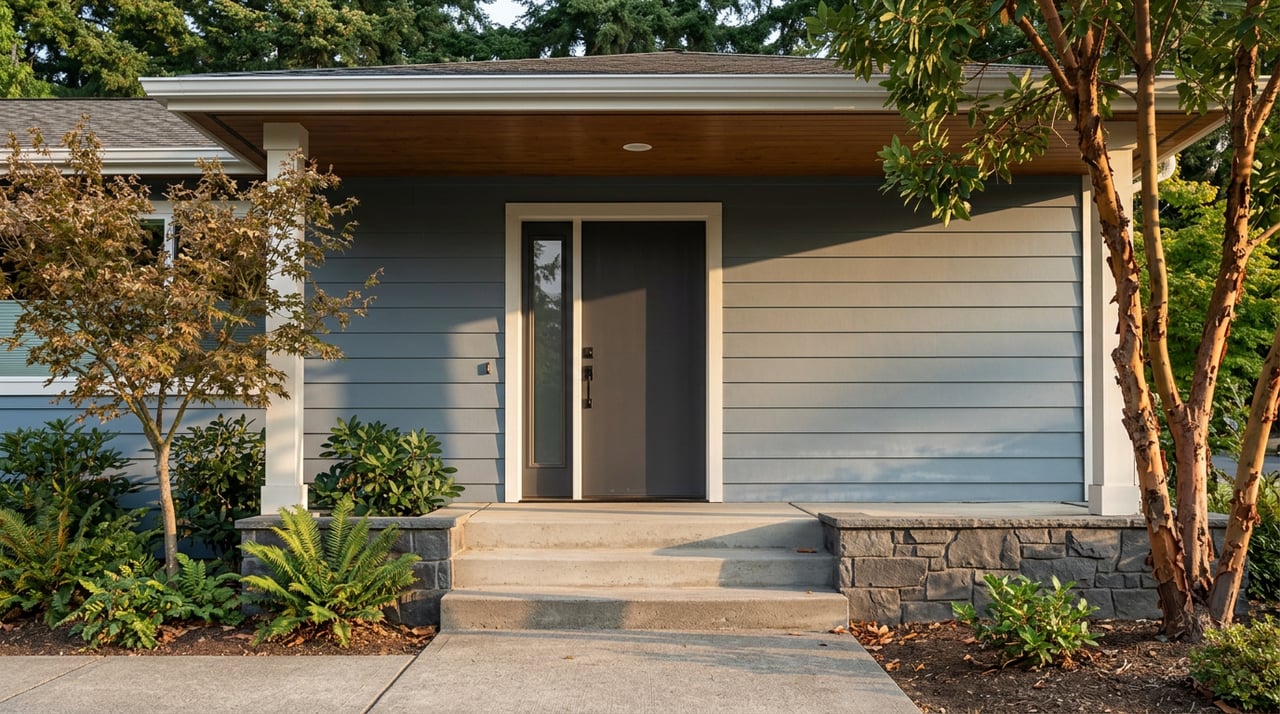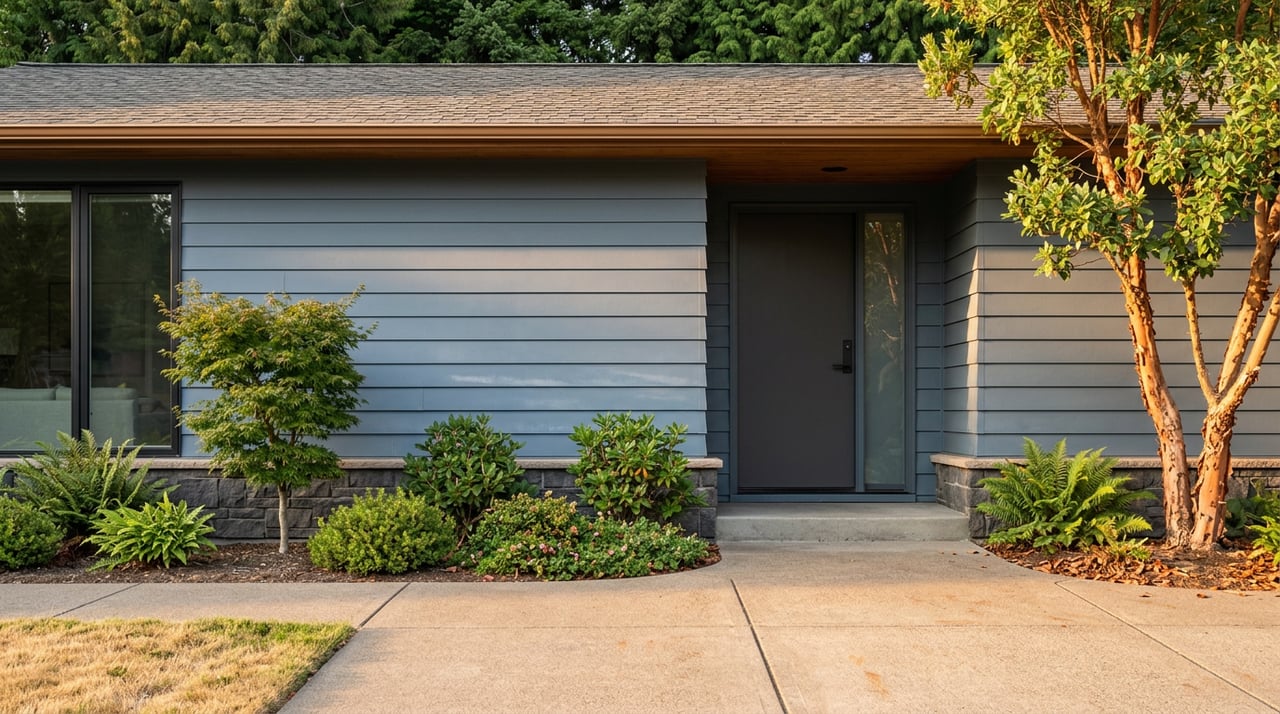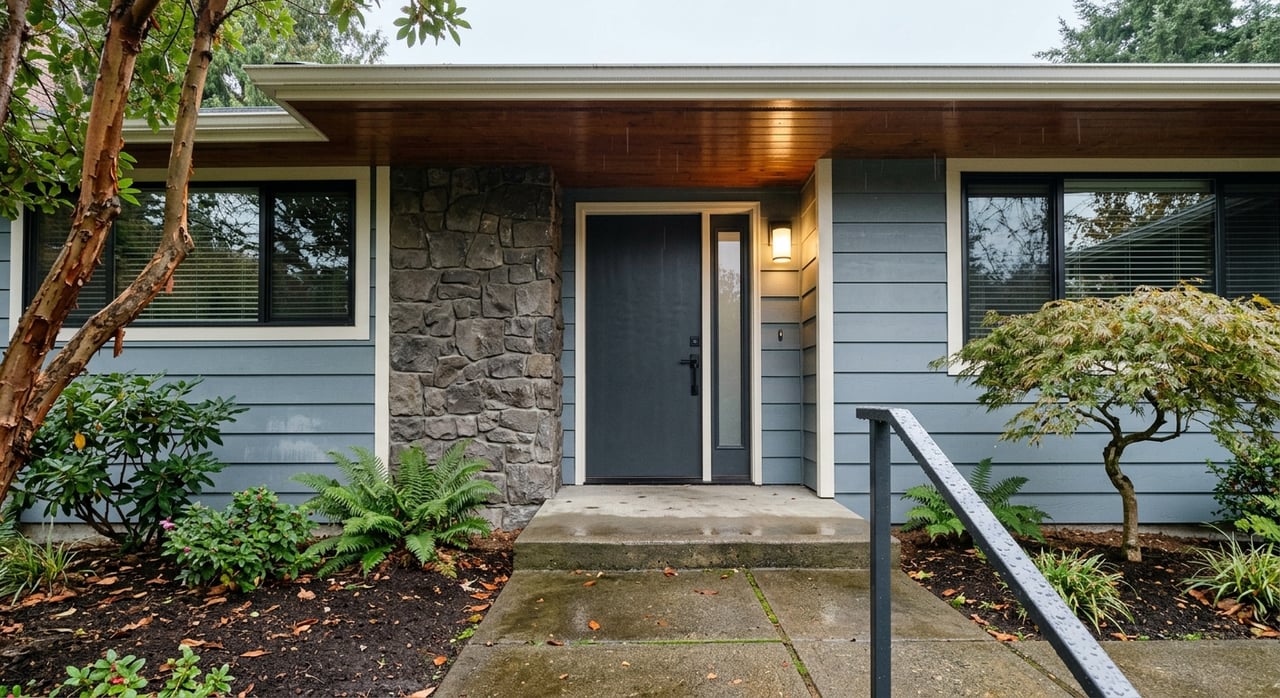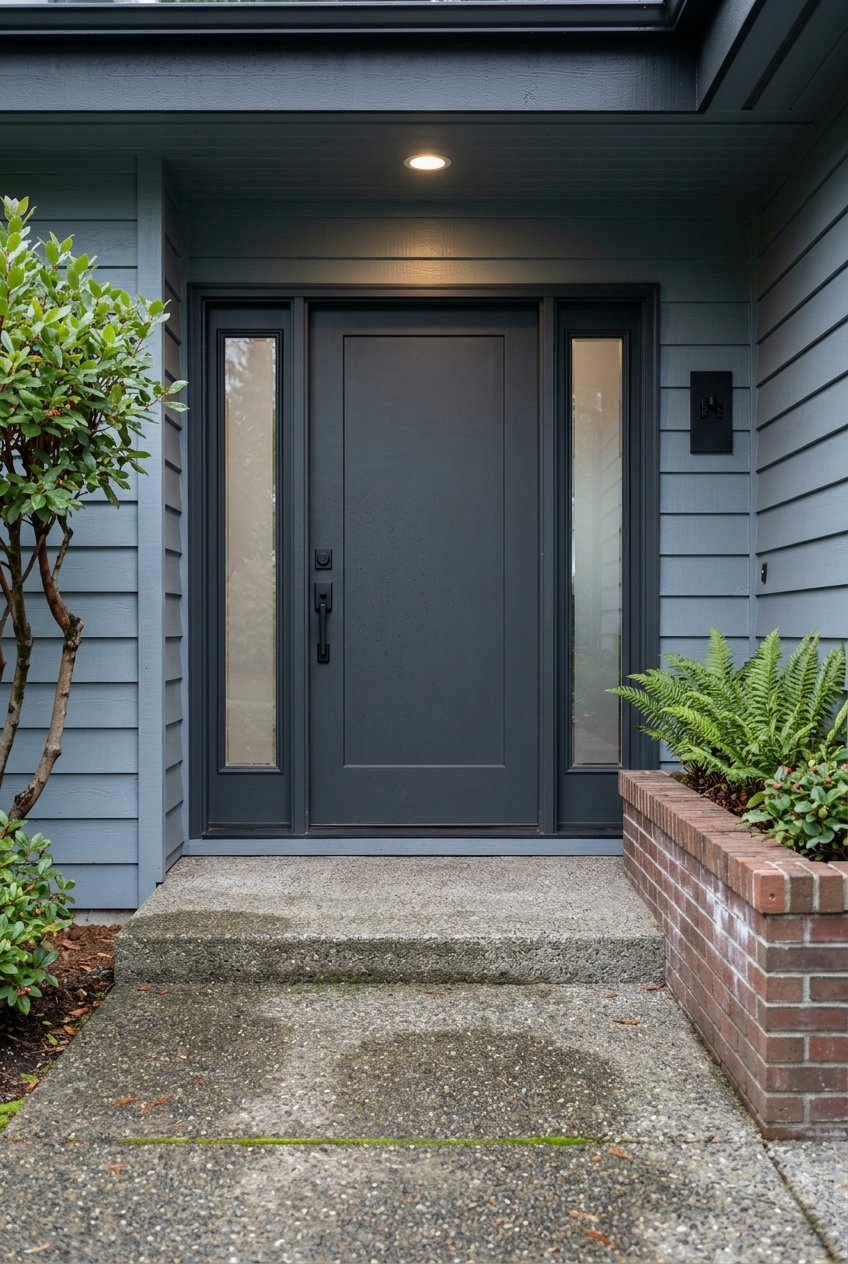
If you are handling a loved one’s home after a death, one of the first questions you may ask is simple but stressful: Can the house be sold now, or does probate have to happen first? In Tacoma and Pierce County, the answer depends on who has legal authority to act, what type of probate is opened, and whether the sale needs court supervision. The good news is that once you understand the steps, the process becomes much easier to plan for. Let’s dive in.
Probate starts with legal authority
Before a home can be listed or sold, someone needs the legal authority to act for the estate. In Pierce County, probate is generally needed when a person’s assets exceed $100,000 and or include real property, according to the Pierce County probate guidance.
For many families, that means opening a probate case so the court can appoint a personal representative. If you are filing a new self-represented probate in Pierce County, the county says you will need the petition, order, original will if there is one, a notarized oath, one set of copies, and the filing fee listed on the county’s probate page.
Once appointed, the personal representative is usually the person who can move the home sale forward. That often includes signing the listing agreement and purchase paperwork after the court issues the proper authority.
Who the personal representative must notify
After appointment, the personal representative has legal duties that affect timing. Under Washington law on notice after appointment, known heirs, devisees, and beneficiaries must generally be notified within 20 days.
Creditor notice also matters. Under chapter 11.40 notice rules, notice to creditors can start the claims window, with known creditors generally having 30 days after service and published notice triggering a four-month deadline from first publication.
The personal representative must also prepare an inventory and appraisement within three months. Under Washington’s inventory statute, that inventory includes the real property’s legal description and net value as of the date of death.
Nonintervention vs supervised probate
One of the biggest probate questions is whether court approval is required to sell the house. In Washington, that depends largely on whether the estate is handled as a nonintervention probate or a court-supervised probate.
Nonintervention probate
If the estate is solvent and meets the legal requirements, the court generally grants nonintervention powers unless the will says otherwise. Under Washington’s nonintervention probate law, a personal representative with those powers may mortgage, lease, sell, convey, and transfer real property without court order, notice, approval, or confirmation.
That is why some probate home sales in Tacoma and Pierce County can move more like a traditional sale. The personal representative still has fiduciary duties, but the sale itself may not need a separate court hearing.
Court-supervised probate
If the estate is supervised, the process can be more formal. Under Washington’s real property sale rules for supervised estates, the court may order a sale to pay debts, administration expenses, estate taxes, support the family, or make distribution.
In that setting, the personal representative may need to petition the court for authority to sell. The petition generally describes the property and explains the reason for the sale.
How a supervised probate sale works
A supervised probate sale in Pierce County can involve more steps and more waiting. Washington law allows public sale, private sale, or sale by negotiation.
For private or negotiated sales, the court generally cannot confirm the sale unless the gross price is at least 90% of the appraised value. The personal representative must also file a return of sale within 10 days under the same supervised sale statute.
This is one reason pricing matters so much in probate. In many cases, the estate’s inventory and appraisement gives one benchmark, while a broker’s comparative market analysis gives a more current market-based pricing opinion.
Pricing a probate home in Tacoma
Probate pricing is rarely just about picking a number and going live on the MLS. The estate inventory uses a net value as of the date of death, while market conditions may have changed by the time the property is ready to sell.
That means you may be working from two different value points:
- Inventory and appraisement: a statutory estate valuation tied to the date of death
- Broker CMA: a current market pricing opinion based on recent comparable sales and active competition
A thoughtful listing strategy usually looks at both. This helps the personal representative balance fiduciary duties, market reality, and any court-related pricing standards that may apply.
What can delay the sale timeline
Many families assume probate delays come only from the court. In reality, the timeline is often shaped by several moving pieces.
Common timing factors
- Appointment of the personal representative
- Notice to heirs, devisees, and beneficiaries
- Creditor notice and claim deadlines
- Inventory and appraisement within three months
- Any required petition for sale or confirmation hearing
- Final distribution and discharge
If the estate is nonintervention, the closing stage may be simpler. Under Washington’s nonintervention completion process, the personal representative can file a declaration of completion of probate, and if proper notice is given and no one petitions within 30 days, that declaration becomes the legal equivalent of a decree of distribution.
If the estate is supervised, the closing phase usually ends with a final report and petition for distribution, 20 days’ notice to heirs, devisees, and distributees, and then a decree of distribution and discharge if approved by the court under RCW 11.76.030.
Occupied or rented probate property
Some probate homes are vacant. Others are occupied by family members, tenants, or other lawful occupants. That can affect access, showing schedules, and the practical pace of the sale.
Under Washington law on estate possession, the personal representative generally has immediate possession of the decedent’s real property and may collect rents until the estate is settled or delivered over. In practical terms, that authority helps the estate manage the property while the probate process is underway.
Pierce County probate coordination
In Pierce County, probate and trust matters are heard on the Civil Division A probate and trust calendar. According to the county’s probate and trust calendar instructions, parties must file the Civil Hearing Information Form, called Form U, and proposed orders by noon two court days before the hearing through the clerk’s e-filing process.
Pierce County’s local rules also state that the order appointing the personal representative or administrator should match the oath, and any change of address must be filed within 30 days. These details may seem small, but they can matter when a sale is already on a deadline.
Interested heirs, devisees, and creditors may also file a request for special notice. That can become important when a sale, accounting, or another probate step may be contested.
What a real estate broker helps with
A broker does not replace the court or legal advice, but the right broker can make the sale side of probate much more manageable. In a Tacoma or Pierce County probate sale, that usually means helping the personal representative align pricing, marketing, showing access, title, escrow, and closing with the authority granted in the estate.
A practical probate sale checklist often includes:
- Confirm whether the estate has nonintervention powers or requires court supervision
- Verify the inventory and appraisement status
- Track creditor deadlines that may affect timing
- Check whether any special-notice requests have been filed
- Coordinate title and escrow around the personal representative’s authority and any required court closing step
That kind of coordination matters in every sale, but especially when the property is part of a larger estate administration.
How to prepare for a smoother probate sale
If you are an executor, administrator, or family member trying to sell a probate home in Tacoma, Lakewood, Northeast Tacoma, or elsewhere in Pierce County, start with clarity. Make sure you know who has authority, what type of probate is in place, and whether the home can be sold without court confirmation.
From there, focus on timing, condition, and communication. A probate home sale often goes more smoothly when the estate’s timeline, property preparation, and listing strategy are planned together instead of one at a time.
If you need help understanding how a probate sale may work for your situation, Greg Pubols offers hands-on guidance for complex estate and probate transactions across Tacoma and Pierce County. If you want a calm, practical plan for the property side of the process, scheduling a consultation is a smart next step.
FAQs
Does a probate home sale in Tacoma always need court approval?
- No. Under Washington law, a nonintervention probate may allow the personal representative to sell the home without court approval, while a supervised probate may require a petition and confirmation.
Who signs the listing agreement in a Pierce County probate sale?
- The appointed personal representative usually signs once the court has issued letters and, when applicable, granted nonintervention authority.
How long does a probate home sale take in Pierce County?
- The timeline often depends on appointment, notice to heirs and creditors, the inventory and appraisement, any required court sale steps, and the final discharge of the estate.
Can a personal representative manage a rented probate property in Washington?
- Yes. Washington law generally gives the personal representative immediate possession of the real property and the ability to collect rents until the estate is settled or delivered over.
What is the difference between an estate appraisal and a broker price opinion in probate?
- The estate inventory and appraisement reflects net value as of the date of death, while a broker CMA is typically used later to estimate current market value for listing strategy.