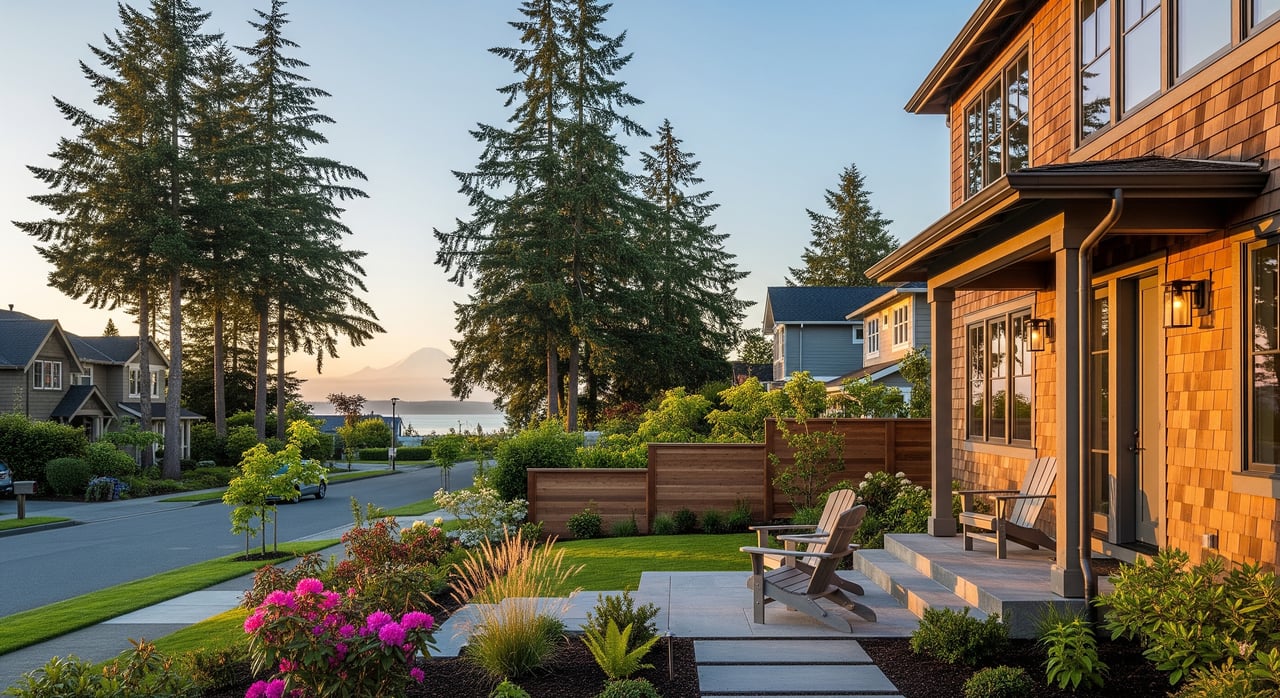
Thinking about making University Place home? You’re not alone. This suburban city along the Tacoma–Lakewood corridor draws people who want tree‑lined streets, parks and shoreline views without giving up easy access to everyday essentials. In this guide, you’ll get a clear picture of daily life, neighborhoods, commute options, parks, schools and the little things that shape your routine. Let’s dive in.
University Place at a glance
University Place sits on a plateau overlooking Puget Sound, with bluffs near Chambers Bay and quieter interior streets inland. The feel is suburban and residential, with a strong outdoor rhythm thanks to parks, trails and shoreline access. Walkability is localized. You can run errands on foot near Bridgeport Way and a few pocket neighborhoods, but most residents rely on a car for daily tasks.
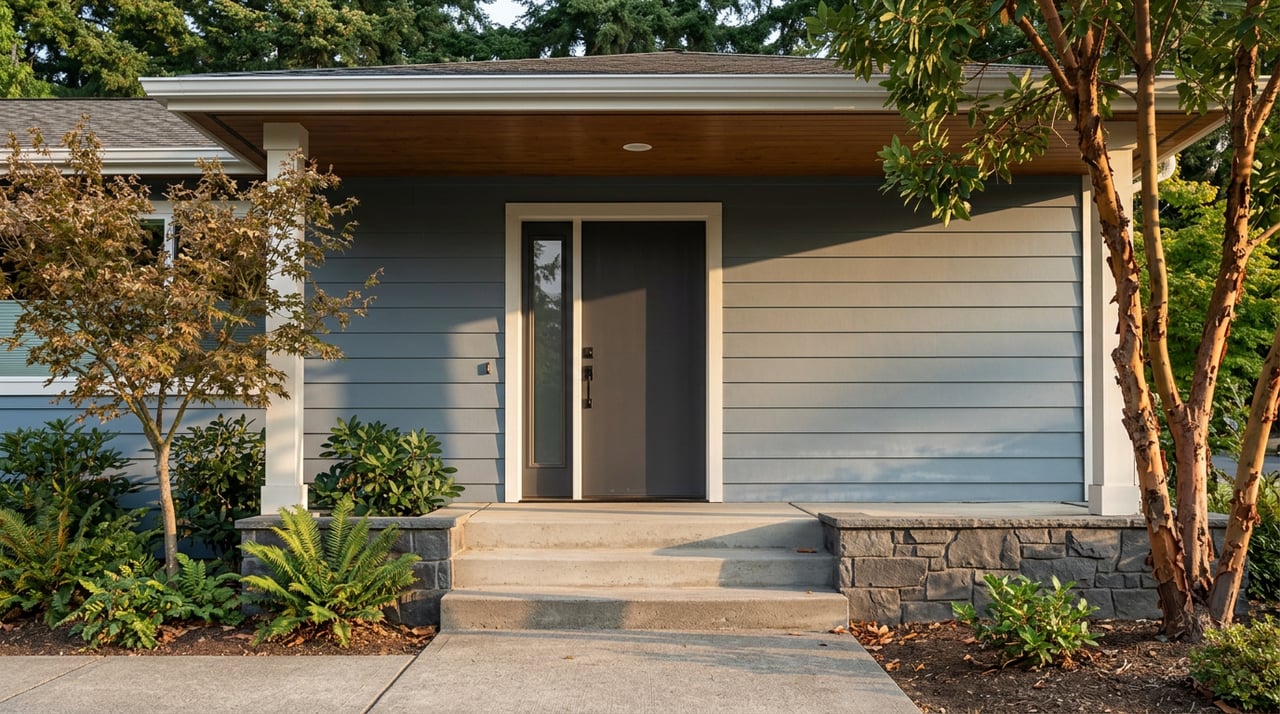
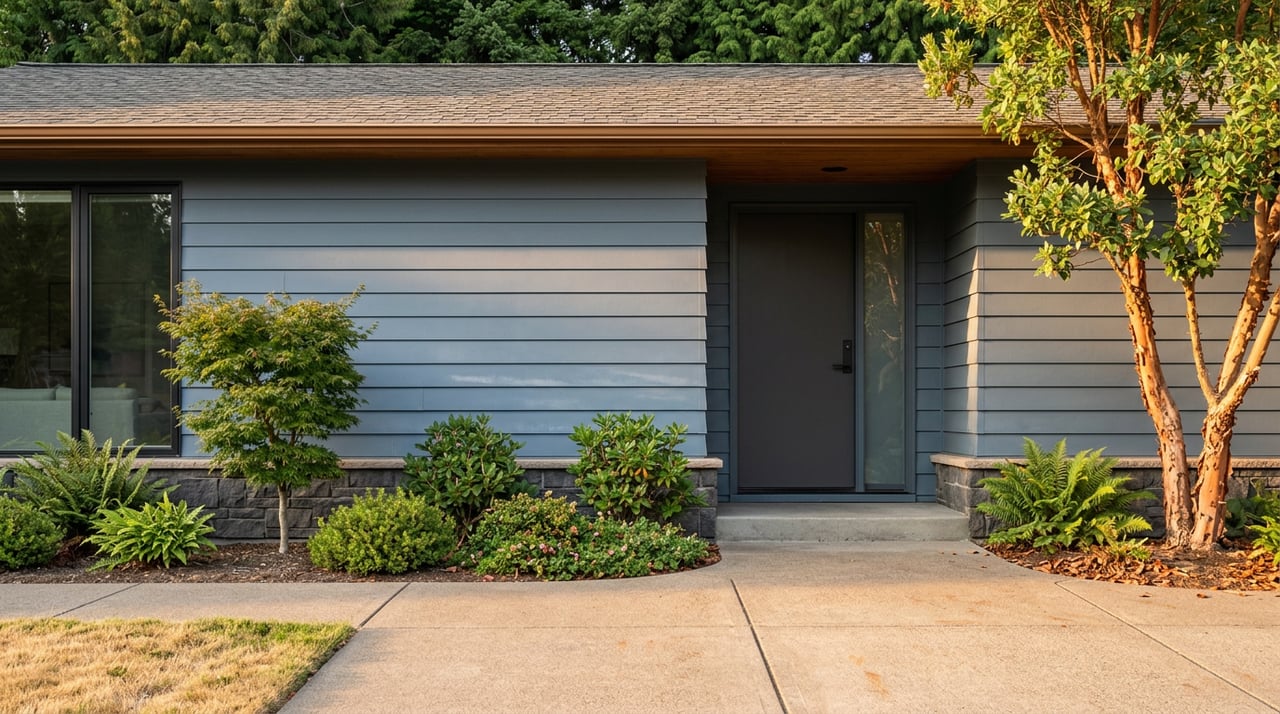
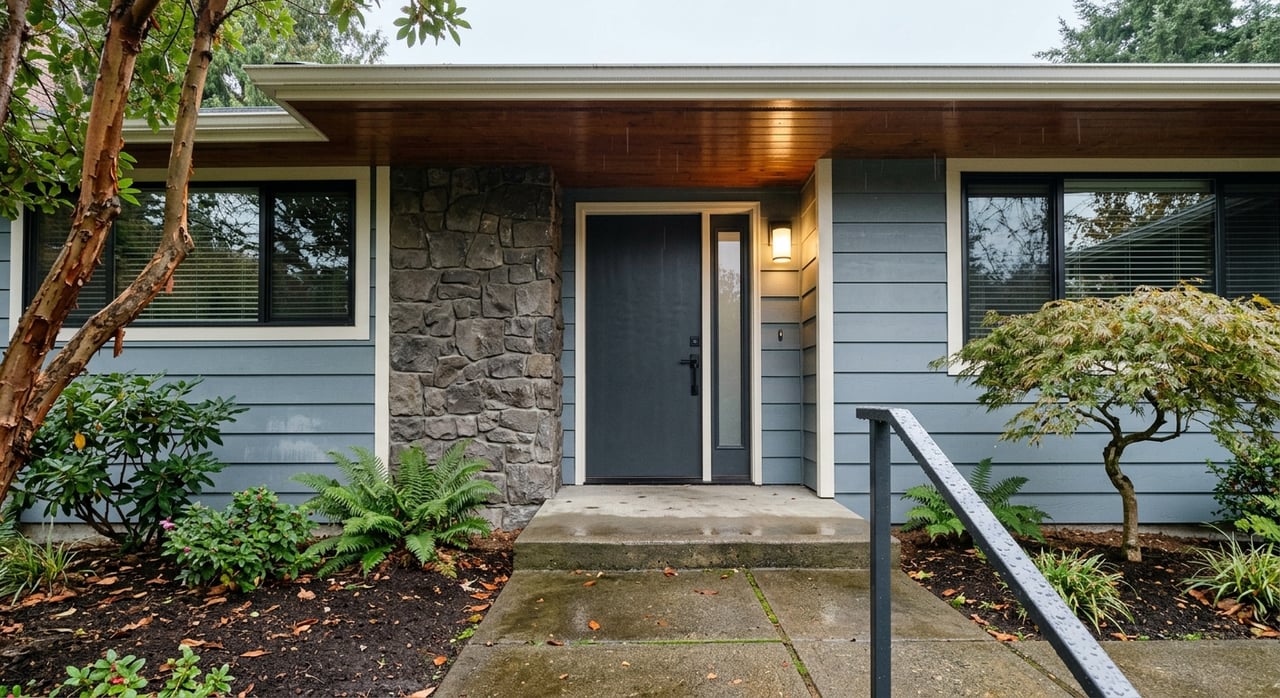
You’ll find a mix of mid‑century homes, tidy cul‑de‑sacs, and some newer infill townhomes and condos. Views and street slopes change block to block near the bluffs, which adds variety to drives and daily walks.
A quick neighborhood walkthrough
Start on Bridgeport Way, the city’s main commercial spine. Here you’ll grab coffee, hit the grocery store, stop by banks and clinics, and run most errands in one loop. Sidewalks and crosswalks are common along this corridor.
Turn into an interior residential street and the pace slows. Many blocks have mature trees, established yards, and a classic Pacific Northwest feel. You’ll see people walking dogs, kids riding bikes to nearby parks, and neighbors chatting at the curb.
Finish at Chambers Bay. The waterfront park and trail network pull residents outside year‑round. The bluffs and open spaces are popular for walking and jogging, and Chambers Bay Golf Course put the area on the map when it hosted the 2015 U.S. Open.
Neighborhood feel by area
Bridgeport Way corridor
- Everyday convenience with groceries, pharmacies, restaurants and services in close reach.
- Most errands are clustered, which can reduce trips across town.
- Traffic can be busier at peak hours or during community events.
Interior residential streets
- Mid‑century single‑family homes, many with larger yards and mature landscaping.
- Quiet blocks, cul‑de‑sacs, and a calm suburban atmosphere.
- Walkability varies based on proximity to schools, parks and arterials.
Chambers Bay and waterfront edge
- Big views, shoreline trails and beach access shape daily routines.
- Occasional regional events can draw visitors and extra traffic.
- Bluff‑side streets may have steeper slopes and varied topography.
Newer developments and edges
- Planned subdivisions with more uniform design and some HOA presence.
- Townhome and newer single‑family infill near arterials for easier access.
- Smaller yards and low‑maintenance living options are common.
Housing styles you’ll see
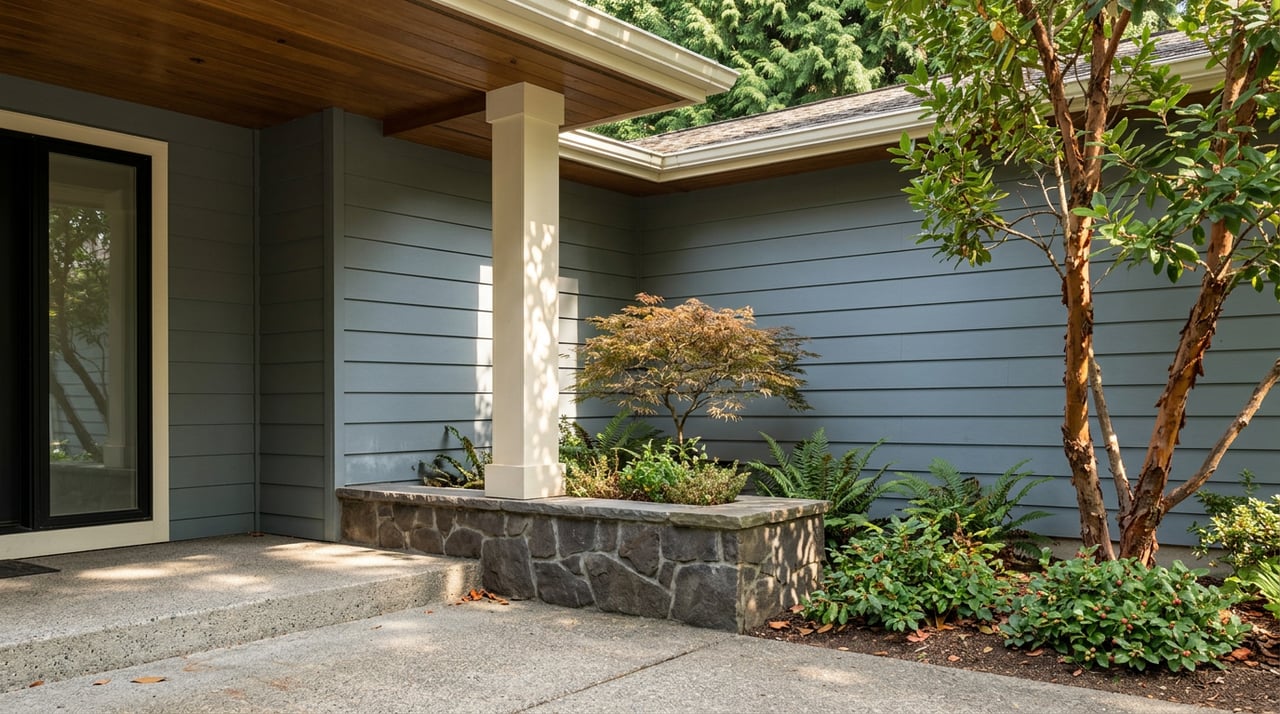
- Single‑family homes: Bungalows, ranches and Craftsman‑influenced styles, often built between the 1950s and 1980s.
- Waterfront and bluff properties: Larger lots or premium views around Chambers Bay and other shoreline segments.
- Townhomes and condos: Concentrated near commercial corridors and newer infill sites.
- New construction: Limited but present, especially townhomes or single‑family homes on subdivided lots.
What shapes the experience:
- Lot size and mature trees create a classic suburban feel.
- Slope near bluffs affects walkability, driveway design and drainage.
- HOAs in newer developments can influence maintenance standards and monthly fees.
Parks and the outdoors
Parks are a way of life in University Place. Chambers Bay is the headliner, with bluffs, trails and beach access. The broader Chambers Creek Regional Park network stitches together open spaces and quieter shoreline segments for longer walks.
You’ll also find neighborhood parks with playfields, playgrounds and picnic areas. Residents often build routines around walking loops, dog‑friendly trails and golf. During larger events or tournaments, the area sees more visitors and busier parking, especially near Chambers Bay.
Schools and learning
University Place public schools are operated by the local school district serving the city and nearby areas. Attendance boundaries, program offerings and grade configurations can change, so it’s best to verify assignments with the district and the Washington Office of Superintendent of Public Instruction.
Parents typically consider state test results, advanced or specialty programs, extracurricular options and commute or walk routes to elementary schools. Some neighborhoods are within walking distance of schools. Others involve a short drive or bus ride.
Getting around and commute
- Driving: Bridgeport Way connects you across town, and SR‑16 is the main highway to Tacoma and I‑5. Getting to downtown Tacoma is typically straightforward, while Seattle commutes are longer and more traffic‑dependent.
- Transit: Pierce Transit provides bus service in University Place. Routes and frequencies vary by time of day. There is no Link light rail service in the city. Many commuters drive or bus to rail hubs in Tacoma.
- Common destinations: Tacoma, Joint Base Lewis‑McChord and other Pierce County employment centers are usual commutes. Seattle is feasible for some but requires planning around peak congestion.
Everyday shopping and services
Most of what you need day to day sits along Bridgeport Way. You’ll find grocery stores, pharmacies, restaurants, coffee shops, banks and professional services within a short drive. Specialty shopping and larger retail are nearby in Tacoma or Lakewood. Primary care clinics are in town, with larger hospitals and specialty services in Tacoma.
Seasonal farmers markets and community events are common for this type of suburban city. Parks and recreation programs, libraries and civic services are locally managed or coordinated with Pierce County.
Living tradeoffs to weigh
- Convenience vs. car use: Errands are easy on Bridgeport, but most neighborhoods are car‑oriented.
- Views vs. slopes: Bluff‑side areas offer vistas, but streets and yards can be steep.
- Event energy vs. quiet: Chambers Bay brings activity and occasional traffic during big events.
- New vs. established: Newer homes and HOAs may simplify maintenance. Older homes offer character and larger lots but may need updates.
- Commute choices: Tacoma access is quick relative to the region. Seattle trips require longer travel times and planning.
Tips for touring homes
- Walk the block at different times to gauge traffic, parking and park activity.
- Check slope and drainage around driveways, patios and yards near the bluffs.
- Ask about HOA rules, dues and what exterior items they cover.
- Confirm which schools serve the address with the district and OSPI.
- Look for signs of tree root impacts, older sewer lines and roof age on mid‑century homes.
- Verify utility providers and average bills. Providers can vary by area.
- Review property tax components from Pierce County, including school and city levies.
- If you are near the shoreline or steep slopes, consult flood maps, geologic hazard information and any required setbacks or permits for future projects.
Is University Place right for you?
If you want a calm suburban pace with strong park access and quick trips to Tacoma, University Place delivers. Daily life centers on Bridgeport Way for errands, quiet residential streets for downtime, and Chambers Bay for fresh air and views. The tradeoffs are mostly about car use, topography and planning your commute.
When you are ready to explore homes or weigh a sale, a local, consultative approach goes a long way. CENTURY 21 Blue Chip blends neighborhood knowledge with steady transaction management, including guidance for moves tied to estates or guardianships. Have questions about timing, valuation or where your budget fits best? Connect with Greg Pubols to talk through options and Schedule a Free Consultation.
FAQs
Cost of living and home prices in University Place
- Prices change quickly; use current MLS data and a local market review to see what your budget buys in different micro‑neighborhoods.
Commute times from University Place to Tacoma and Seattle
- Tacoma trips are often short via SR‑16, while Seattle commutes take longer and vary with peak congestion and route choice.
Walkability in University Place neighborhoods
- Walkability is localized; Bridgeport Way and some pockets are walkable, but most daily errands are car‑based.
Schools in University Place and how to verify assignments
- Check attendance boundaries and program details with the school district and OSPI before making decisions.
Waterfront and bluff homes in University Place
- Bluff and shoreline properties offer views and unique settings, with added considerations for slope stability, setbacks and maintenance.
Renting in University Place and availability
- Rental options exist across single‑family homes, apartments and condos, but availability varies with the season and market cycle.