Are you trying to make sense of the North Tacoma market and wondering if now is the right time to move? You are not alone. Between shifting inventory, unique neighborhood pockets, and a wide mix of property types, it can be hard to read the signals with confidence. In this guide, you will learn which metrics matter, how North and Northeast Tacoma’s housing mix drives pricing, and practical tactics you can use to buy or sell well. Let’s dive in.
Market snapshot: what to track
Keeping a simple dashboard helps you stay grounded when headlines shift. These are the core indicators local buyers and sellers watch:
- Active inventory: the count of homes for sale right now. Rising inventory generally favors buyers; falling inventory helps sellers.
- Months of inventory (MOI): active listings divided by monthly sales. Under 3 months is a seller’s market, 3 to 6 months is balanced, over 6 months favors buyers.
- Median sold and list prices: show pricing direction and how close asking prices align with closing prices.
- Price per square foot: normalizes across different home sizes so you can compare apples to apples.
- Days on market (DOM): signals demand and how quickly you need to act.
- Sale-to-list ratio: percent of list price received. Near 98 to 100 percent means sellers get close to asking.
- New listings and pending ratio: compares buyer demand to fresh supply.
Use these benchmarks as a quick translation:
- MOI under 3 months: fast market with potential multiple offers.
- MOI 3 to 6 months: balanced conditions with common back-and-forth negotiations.
- MOI over 6 months: buyers often gain leverage on price or concessions.
- DOM under 30 days: quick turnover and strong interest. Over 60 days: buyers may negotiate repairs or credits.
When you review a snapshot, make sure the numbers are clearly timestamped and drawn from timely sources like NWMLS and county records.
Neighborhoods and housing mix
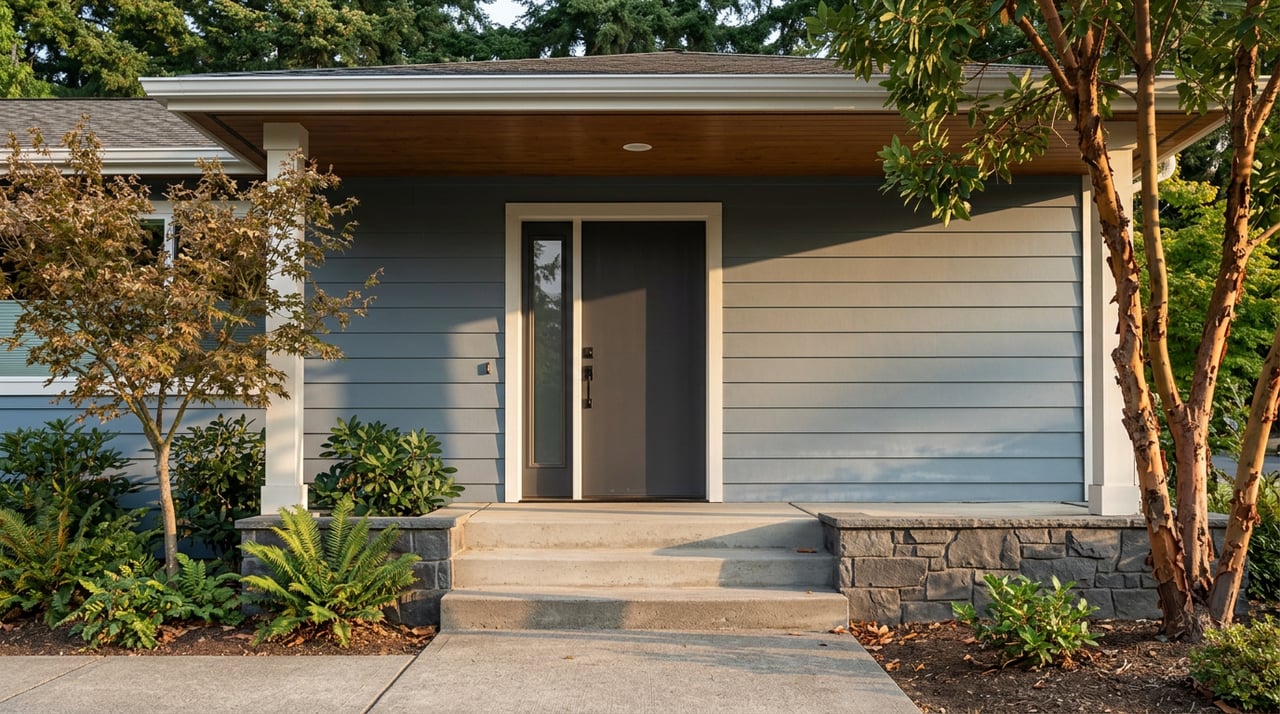
North Tacoma and Northeast Tacoma are often grouped together by locals because of their proximity to Commencement Bay and the North End amenities. The area includes the Proctor District, North Slope, Old Town, Ruston, Point Ruston, and streets that run toward the waterfront. Here is what is commonly traded in these micro-markets:
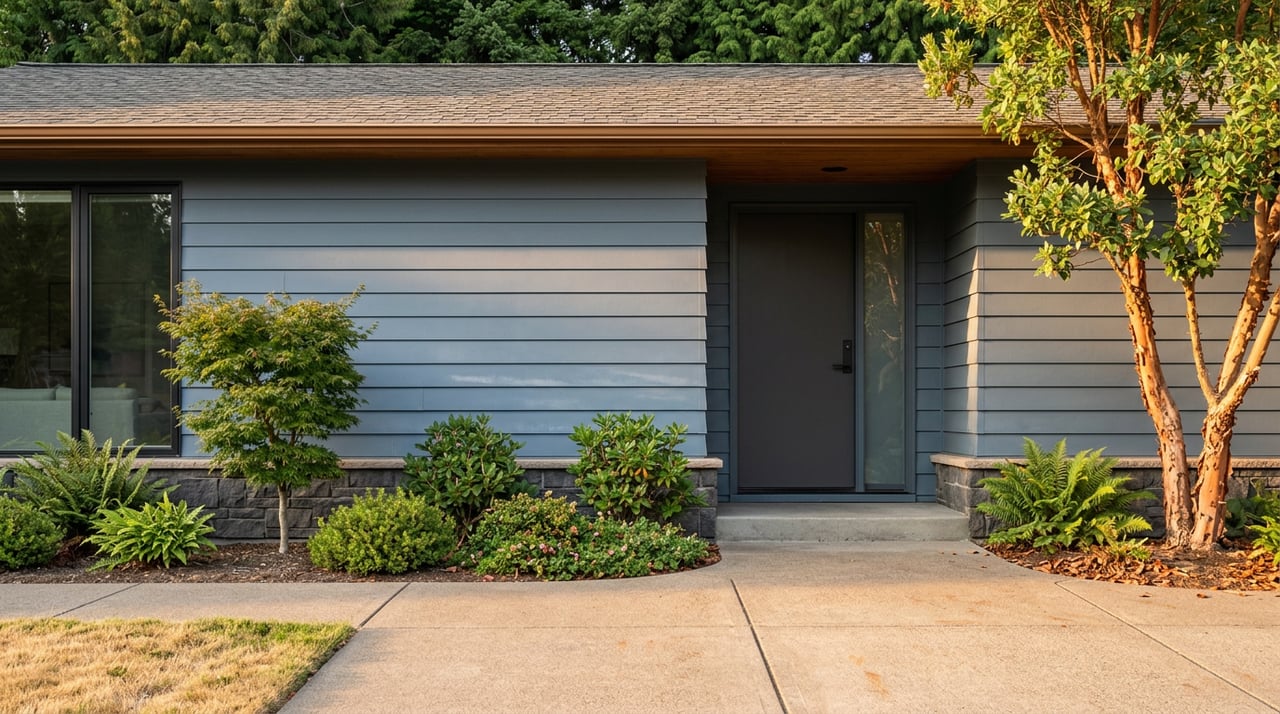
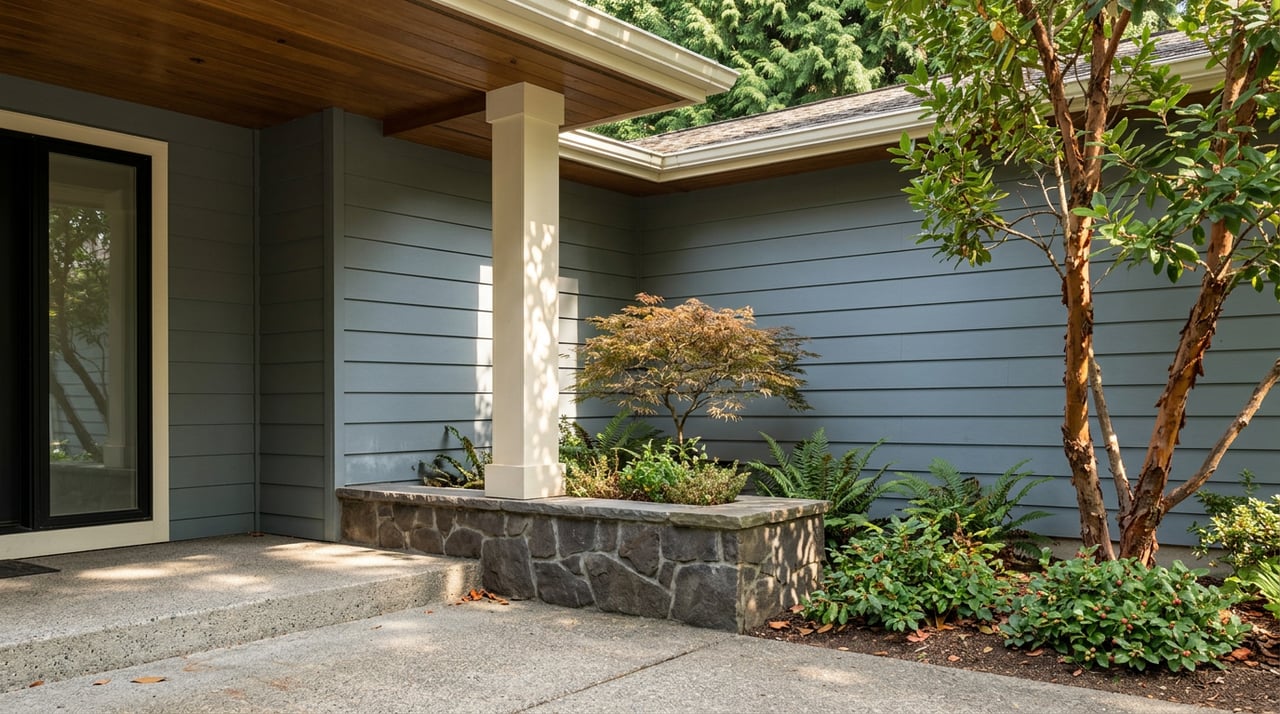
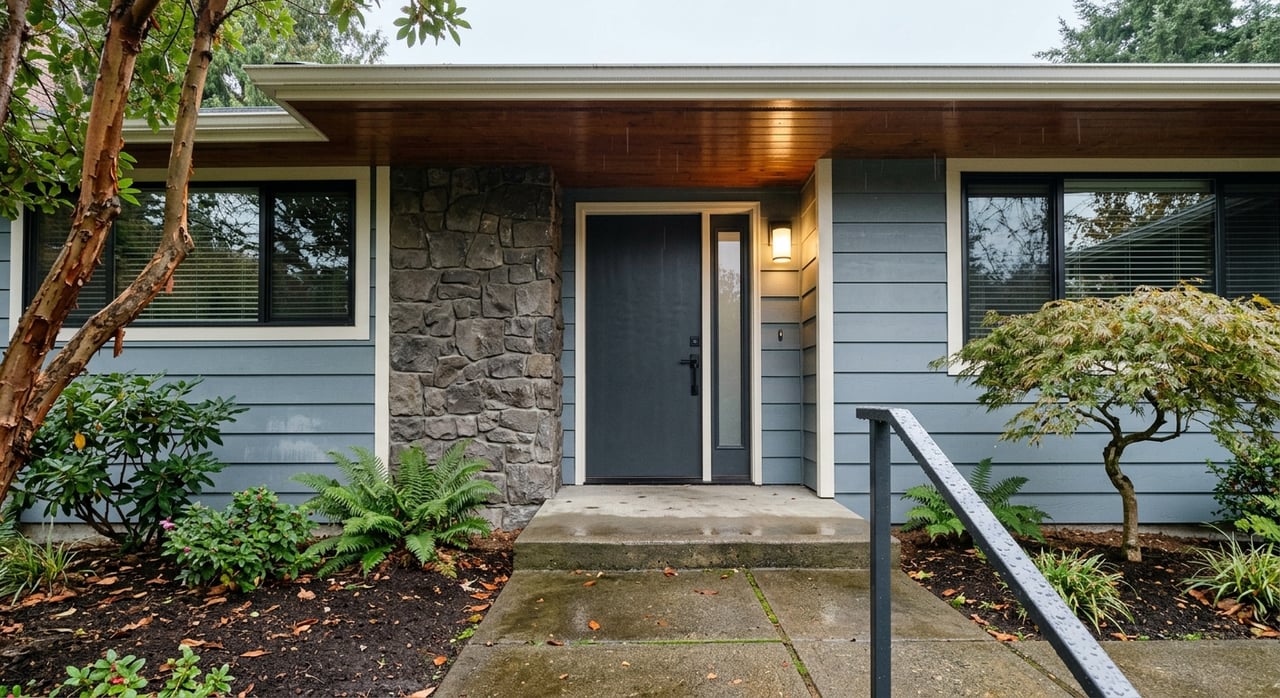
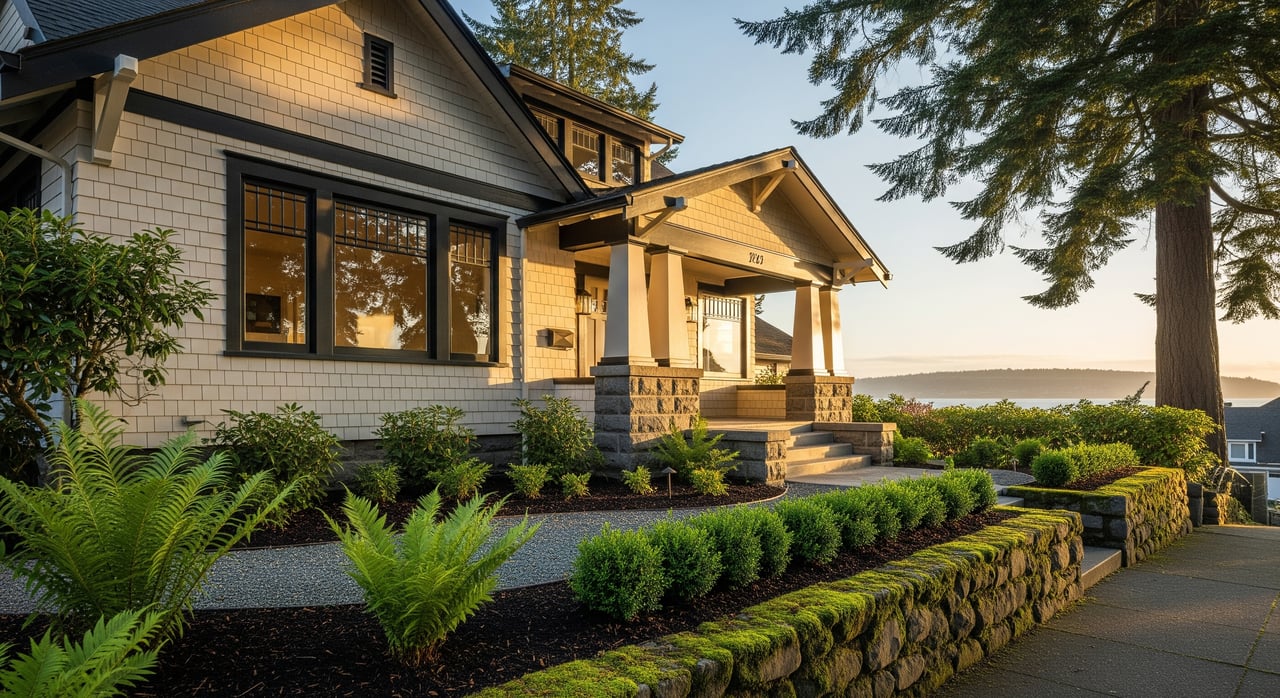
- Older single-family homes: early 1900s Craftsman and mid-century cottages on urban lots. Many have renovation potential and classic character.
- Condos and lofts: low-rise and mid- to high-rise options near Ruston Way and Point Ruston. These appeal to a wide range of buyers seeking lower maintenance and access to the waterfront corridor.
- Townhomes and infill construction: newer builds appear in pockets where lots subdivide or older homes give way to attached formats.
- Duplexes and small multi-units: found in parts of the North Slope and near Old Town, important for investor and buyer-occupant strategies.
- Luxury waterfront single-family: limited supply. View, water access, and lot size drive pricing more than bedroom count alone.
Supply remains tight along the waterfront and in historic areas where development is more constrained. Infill and accessory dwelling unit policies can add options over time, while proximity to parks, neighborhood retail, and commute routes helps sustain demand.
Price bands: how to benchmark
Rather than chase a single “median price,” use price bands that match how buyers actually shop. Your home or target property likely fits one of these segments:
- Entry band: smaller homes, older cottages, and lower-priced condos. Condition varies, and renovation potential is common.
- Mid-market: well-kept or thoughtfully updated Craftsman bungalows, townhomes, and mid-range condos.
- Upper market: larger renovated homes and premium condos, often with outlooks or partial views.
- Luxury and waterfront: limited inventory, highest price per square foot, and significant premiums for direct views and access.
Factors that push a property up or down a band:
- Location: waterfront versus a few blocks inland, or proximity to the Proctor commercial core.
- View and access: full bay views command a premium over peek views.
- Lot and parking: usable yards and off-street parking can swing value.
- Condition and updates: kitchens, baths, systems, and permitted additions matter.
- Character features: intact millwork and Craftsman details can boost appeal.
- Newer build vs older stock: modern layouts and energy systems influence pricing.
Buyer example: A 1,200 to 1,600 square foot Craftsman in good condition on a standard city lot usually competes in the mid-market band. If it has a recent remodel with high-quality finishes, it can move toward the upper band.
Seller example: If your house sits along the Ruston Way corridor with direct water views, price per square foot will likely exceed a similar home a couple blocks inland. Compare view-adjusted comps rather than neighborhood-wide medians.
Picking comps that actually fit
A good comp set will narrow the price band and reduce surprises during appraisal and negotiation. Use this quick approach:
- Start close: pull the most recent 3 to 6 months of closed sales within a walkable radius, usually 0.25 to 1 mile.
- Match the blueprint: align property type, bedroom count plus or minus one, lot size, and level of updates.
- Adjust for the big levers: view, condition, parking, and yard usability. Document your adjustments.
- Show the range: include 3 to 6 comps with 2 to 3 closest matches and 1 to 2 stretch comps above and below.
This method helps you defend pricing and write clean, credible offers.
Reading the signals: timing and tactics
Your plan should shift with inventory and speed. Here is how to translate conditions into action.
If the market tightens
- Seller moves:
- Price with intent and use professional photos. Consider an offer review date to organize interest.
- Ask for proof of funds or strong pre-approval. Use closing timing to screen for fit.
- Be cautious with early offers heavy on contingencies unless there is a clear price premium.
- Buyer moves:
- Get fully pre-approved and increase earnest money if comfortable. Shorten inspection and financing deadlines where possible.
- Use escalation clauses sparingly and clearly. Consider appraisal gap language only if you can safely cover it.
- Keep terms clean with fewer contingencies and plan to negotiate repairs after inspection rather than asking for large credits up front.
If the market softens
- Seller moves:
- Price to current comps, not last season’s. Be ready to offer concessions like closing credits or rate buydowns.
- Stage and fix items that impact first impressions. Expand showing windows and consider providing a seller-paid warranty.
- Buyer moves:
- Keep inspection contingencies and negotiate repairs or seller credits.
- If price is right, ask for a longer closing timeline to improve your terms.
- Use days on market and sale-to-list data to justify offers below asking.
Two quick scenarios
- Scenario A: A well-priced 3-bed bungalow in Proctor draws several offers within a week. The seller selects a near-asking cash offer with a short inspection and two-week close.
- Scenario B: A similar house sits for over 60 days. The seller reduces price by several percent and offers a credit toward buyer closing costs. The buyer wins a below-list contract and secures key repairs.
Micro-market brief: what you get
You can request a concise, current report for your block, building, or target streets. Your free brief includes:
- Active listings and new listings over the last 30 to 90 days.
- Closed sales with median and mean sold prices over the last 90 days and 12 months.
- Median list vs sold price and sale-to-list ratio for the last 90 days.
- Days on market and months of inventory with month-over-month and year-over-year trend arrows.
- Price per square foot ranges plus 3 to 6 recent comps with notes on view, condition, parking, and updates.
- Building or lot notes when relevant: HOA dues, special assessments, recent permits, and rental rules.
We prepare briefs using timely data from the multiple listing service, Pierce County records, and city planning and permit information. You will see a clear timestamp on every chart so you can act with confidence.
How we can help
CENTURY 21 Blue Chip is built for hands-on, consultative service in North Tacoma, Northeast Tacoma, and across the South Sound. Whether you are planning a move-up buy, downsizing, or navigating an estate sale, you will get steady guidance and market clarity from start to finish. Want a free micro-market brief for your block or condo building in North Tacoma or Northeast Tacoma? I will pull the last 6 months of sales, current active listings, and tailored negotiation tips. Request a Free Consultation to get a customized PDF with comps and timing advice. Connect with Greg Pubols to get started.
FAQs
What is months of inventory in North Tacoma?
- Months of inventory measures how long it would take to sell current listings at the recent sales pace. Under 3 months favors sellers, 3 to 6 is balanced, and over 6 favors buyers.
How do I compare North vs Northeast Tacoma?
- Treat them as connected micro-markets with different pockets: historic single-family streets and commercial nodes in the North End, plus waterfront and hillside corridors toward Ruston and Northeast Tacoma; use hyper-local comps.
Which home features drive price most here?
- View and water access, proximity to neighborhood retail, lot usability and parking, and level of renovation typically have the biggest impact on price bands.
How should buyers compete on a popular listing?
- Arrive fully pre-approved, consider higher earnest money, shorten timelines where comfortable, and keep contingencies tight while planning to negotiate repairs after inspection.
What goes into a condo or townhome comp set near the waterfront?
- Match building age, view orientation, square footage, parking and storage, HOA dues and assessments, and recent interior updates; use the most recent 3 to 6 months of waterfront-adjacent sales whenever possible.