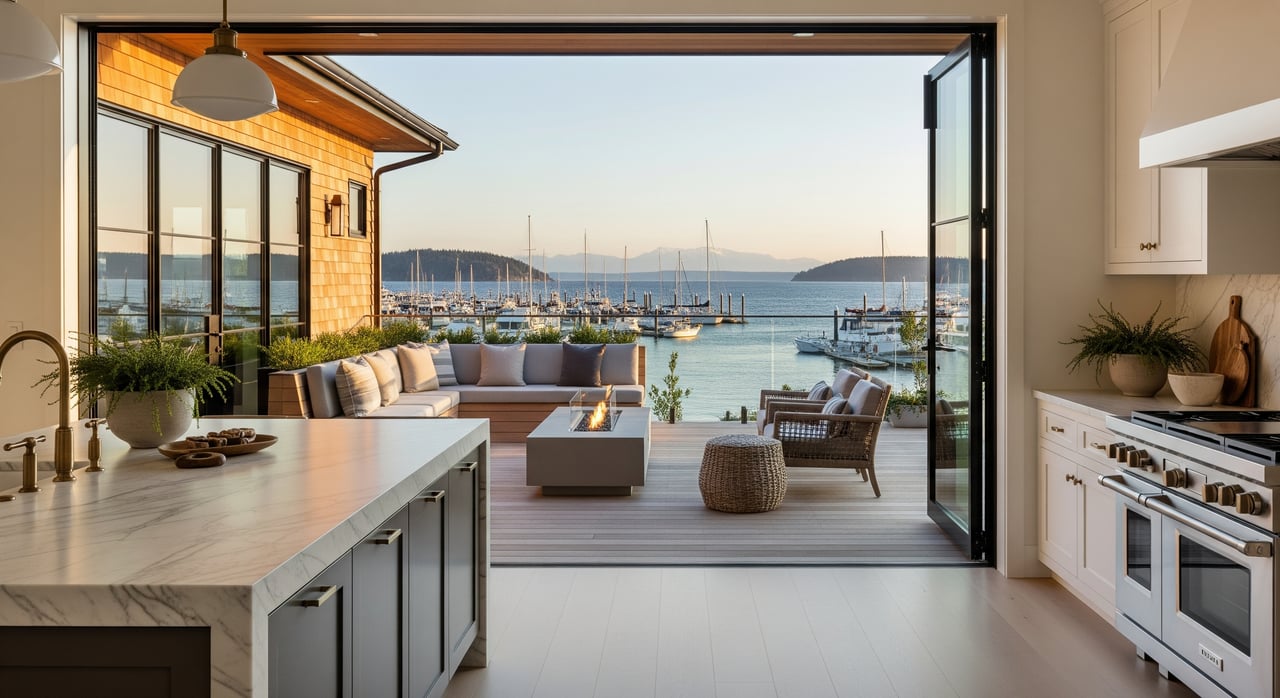
Thinking about updating your Gig Harbor home but not sure what actually moves the needle with buyers? You are not alone. In our waterfront‑oriented market, certain improvements consistently draw stronger offers, while others add cost with little return. This guide shows you which upgrades buyers pay more for in Gig Harbor and greater Pierce County, with local cost ranges, permit tips, and smart planning steps. Let’s dive in.
What Gig Harbor buyers value most
Gig Harbor buyers respond to outdoor living tied to views. Decks, patios, covered spaces, and seamless indoor‑outdoor flow can spotlight Puget Sound and mountain vistas in person and in photos. When the setting shines, buyers notice.
Efficiency is rising on the priority list. Heat pumps, insulation, and quality windows reduce operating costs and boost comfort. Documented energy upgrades often give buyers extra confidence.
Flexible living is in demand. Legal ADUs, well‑designed home offices, and multigenerational layouts broaden your buyer pool and can improve income potential, especially when permitted and well finished.
High‑impact upgrades buyers pay more for
Outdoor living and view enhancements
- What to consider: deck expansion or replacement, new or reconfigured patios, covered seating, outdoor kitchens, fire features, and strategic landscaping. Selective view trimming and re‑terracing can open sight lines while respecting setbacks and critical areas.
- Why it works: outdoor areas add usable living space that highlights the setting. If your home has water or mountain views, these features can be a difference‑maker.
- Local checks: shoreline and steep‑slope rules matter here. Waterfront and near‑shore projects can require special permits. Start with the City of Gig Harbor Planning & Building Division or Pierce County Planning and Public Works to confirm jurisdiction, then review shoreline guidance from the Washington State Department of Ecology.
View‑focused interior improvements
- What to consider: enlarging windows, upgrading to higher‑performance glass, or adding sliding/folding doors that open to decks or patios. Interior paint and lighting that brighten spaces and frame the view also help.
- Why it works: bigger, cleaner sightlines increase perceived space and make listing photos pop, especially for view properties.
- Local checks: window changes and larger openings usually require permits. Confirm structural needs and permits with your city or county before work starts.
Energy efficiency and electrification
- What to consider: heat pumps (central or ductless), added insulation and air sealing, high‑efficiency windows, LED lighting, smart thermostats, and solar with battery storage.
- Why it works: lower bills, better comfort, and sustainability. Clear documentation, like invoices and recent utility statements, helps buyers see the value.
- Incentives to explore: federal and state incentives change over time. Review current programs with the U.S. Department of Energy and the IRS, and check local utility rebates through Puget Sound Energy or Tacoma Power. Keep all paperwork for buyers.
Flexible living: ADUs, conversions, and offices
- What to consider: attached or detached ADUs, garage or basement conversions, and dedicated office spaces.
- Why it works: ADUs can add income potential and multigenerational flexibility, which widens your buyer pool. Legal, permitted units are the most valuable.
- Local checks: Washington State has encouraged ADUs, but size limits, setbacks, parking, impact fees, and utility connections vary by jurisdiction. Verify rules with the City of Gig Harbor Planning & Building Division or Pierce County Planning and Public Works. State policy resources from the Washington State Department of Commerce are also helpful.
Kitchens, baths, and finishes that show well
- What to consider: midrange kitchen refreshes (appliances, countertops, cabinet refacing), bathroom updates (vanities, tile, fixtures), new flooring, neutral paint, and better lighting.
- Why it works: kitchens and baths still drive decisions. Midrange, tasteful updates often deliver a better cost‑to‑value balance than a full luxury overhaul.
- Planning tip: consult the latest industry benchmarks such as Remodeling Magazine’s Cost vs. Value report when weighing scope.
Curb appeal and landscaping
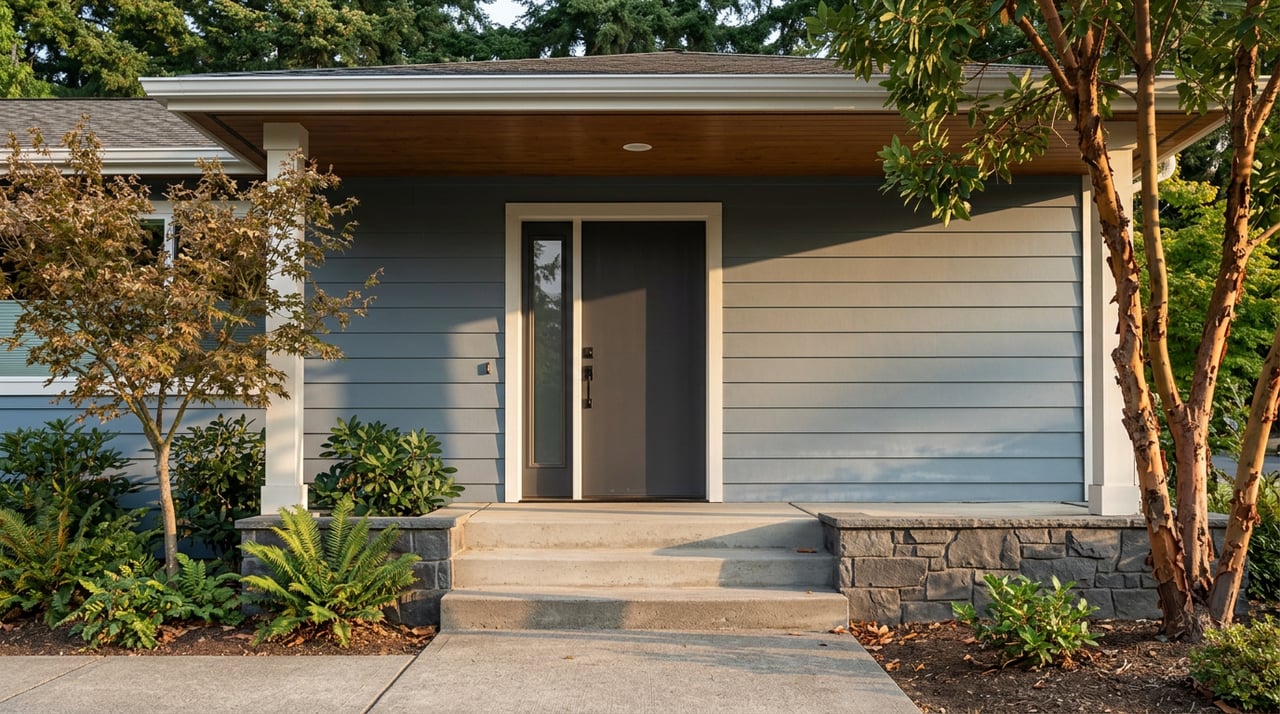
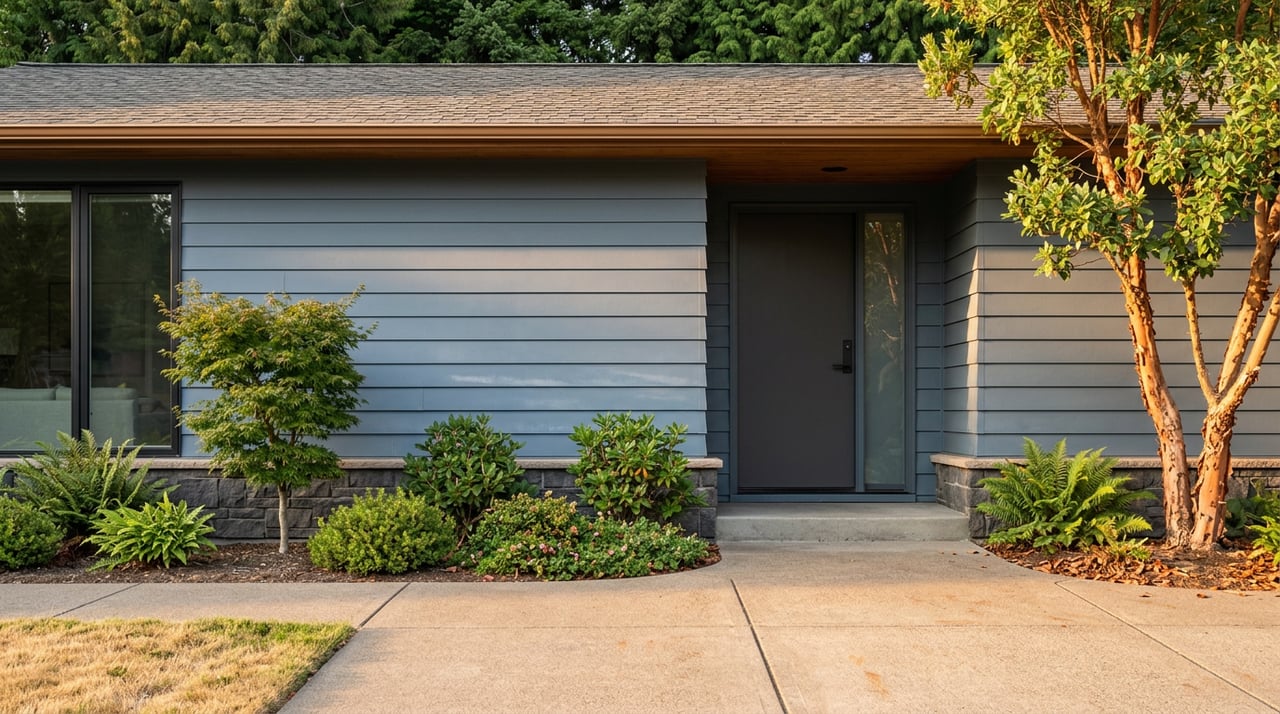
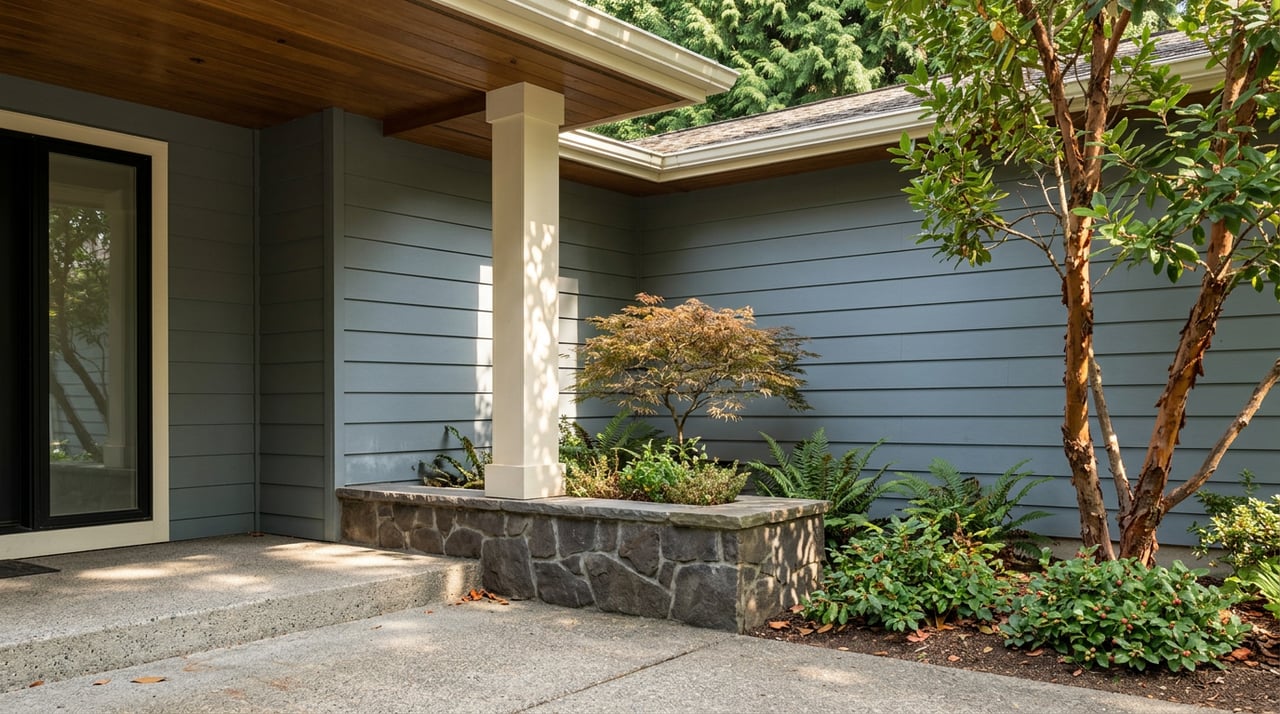
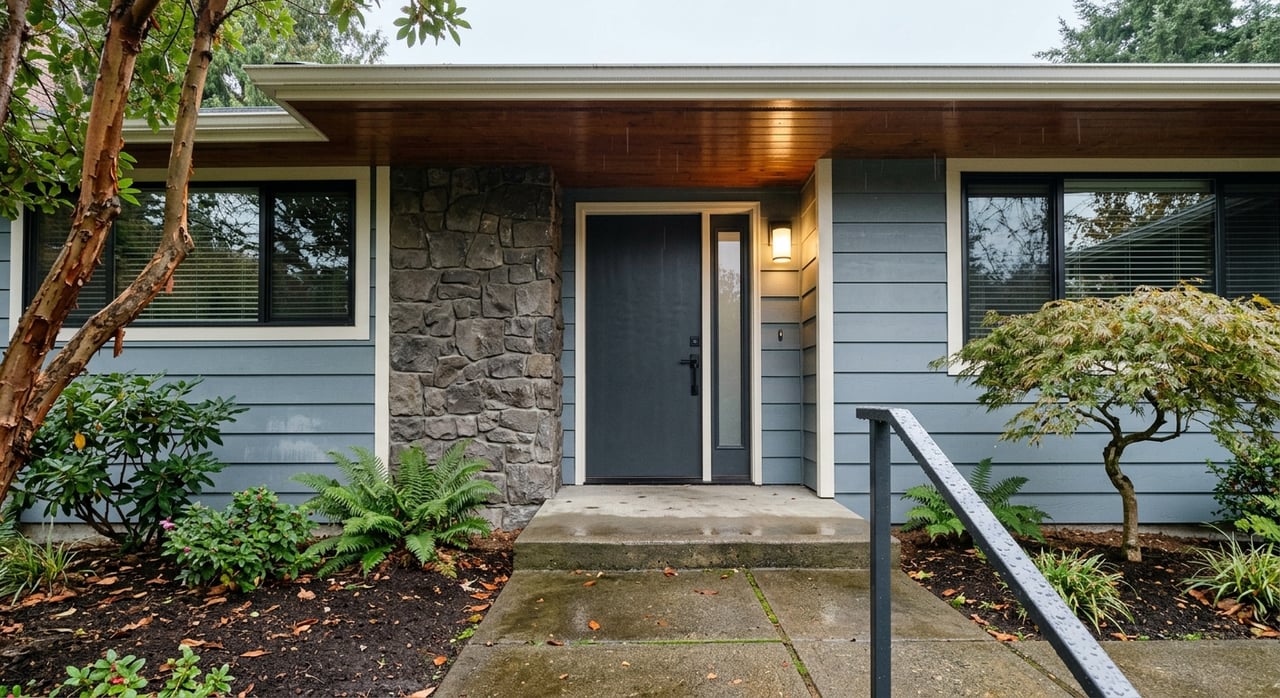
- What to consider: fresh exterior paint, cleaned and repaired porches, new front door hardware, native plantings, and tidy paths and driveways.
- Why it works: first impressions drive clicks and showings. Clean, low‑maintenance landscaping and a crisp entry make your photos and in‑person visits stand out.
Cost‑to‑impact snapshot
Below are typical cost bands in Gig Harbor and Pierce County as of 2023–2024. Actual costs vary by scope, site, materials, labor, and permits. Impact reflects typical buyer response and relative ROI.
| Upgrade | Typical Cost | Impact | Permits/Notes |
|---|---|---|---|
| Landscaping & curb appeal | $2,000–$20,000 | High | Usually no permits unless affecting critical areas or stormwater |
| Deck/patio upgrades | $8,000–$45,000 | High to very high with views | Building permit common; extra reviews near shoreline or slopes |
| Window upgrades/large sliders | $8,000–$40,000 | Medium to high | Permits needed for altered openings |
| Kitchen refresh (midrange) | $15,000–$60,000 | High | Electrical/plumbing permits may apply |
| Bathroom remodel (midrange) | $8,000–$30,000 | High | Plumbing/electrical permits typical |
| Insulation & weatherization | $2,000–$15,000 | Medium | Utility rebates may apply |
| Heat pump (ducted or ductless) | $5,000–$30,000+ | Medium to high | Check electrical capacity; rebates and tax credits possible |
| Solar PV system | $15,000–$40,000+ | Medium to high | Confirm utility interconnection and incentives |
| ADU (conversion) | $30,000–$150,000 | Potentially high | Full permits and utility checks required |
| ADU (new detached) | $150,000–$400,000+ | Potentially high | Site work, utilities, and code compliance add cost |
Note: Use these as planning guides, then get bids from contractors experienced with Gig Harbor and Pierce County permits.
Plan for permits in Gig Harbor
Confirm jurisdiction first. Properties inside city limits follow City of Gig Harbor codes, while homes in unincorporated areas follow Pierce County rules. Start with the City of Gig Harbor Planning & Building Division or Pierce County Planning and Public Works to verify which rules apply.
Shoreline and steep‑slope sites need extra diligence. Work near the ordinary high water mark or on steep slopes can trigger shoreline permits, geotechnical studies, or other reviews. The Washington State Department of Ecology offers guidance on the Shoreline Management Program that local jurisdictions implement.
ADUs have location‑specific rules. Owner‑occupancy requirements have eased in some places, but size caps, parking, setbacks, and impact fees vary. Utility capacity and septic limits can also affect feasibility, especially near waterfront areas.
Most significant work needs permits. Window enlargements, decks, kitchen and bath changes with plumbing or electrical, and any ADU construction typically require permits and inspections. Unpermitted work often reduces buyer confidence and can complicate a sale.
How to prioritize for your property
Use your setting. If you have water or mountain views, prioritize projects that frame and extend those sightlines. Outdoor living that showcases the view often delivers outsize impact.
Balance budget with buyer appeal. Midrange kitchen and bath updates, clean flooring, and fresh paint create strong first impressions without an overbuild.
Layer efficiency where it counts. Insulation, air sealing, and a heat pump can lower monthly costs. Document everything with invoices and recent utility bills so buyers can quantify the benefit.
Think flexibility. If an ADU or conversion pencils out under local rules, the added living area and rental potential can broaden your buyer base. Confirm feasibility early.
Document, then market. Keep permits, finals, warranties, and any rebate paperwork in one folder. Those documents help justify your price and make disclosure easy during the listing.
Pre‑listing seller checklist
- Confirm jurisdiction and basic rules with the city or county.
- Walk the property with a focus on view lines, outdoor living, and curb appeal.
- Prioritize 1–3 projects with the best cost‑to‑impact for your home.
- Pull or verify permits for any work that needs them.
- Save all invoices, warranties, rebate approvals, and final inspections.
- Gather 12 months of utility bills, especially after efficiency upgrades.
- Schedule contractors early; shoreline or slope reviews can extend timelines.
- Stage to highlight sightlines, outdoor spaces, and flexible rooms.
- Plan listing photos for clear‑sky days to maximize the view when possible.
When a Free Consultation helps
If you are weighing several upgrades, a short, fact‑focused consultation can save time and money. We can review your zoning, likely permits, estimated costs, and realistic ROI scenarios based on local comps. We will also help you prioritize what to tackle now and what to leave for buyers.
Ready to build a property‑specific pre‑list plan? Schedule a Free Consultation with Greg Pubols and get clear next steps.
FAQs
What permits do outdoor projects near the water need in Gig Harbor?
- On or near the shoreline, you may need shoreline permits and possibly geotechnical review. Start with the City of Gig Harbor or Pierce County and review state shoreline guidance from the Department of Ecology.
Are there rebates or tax credits for heat pumps and insulation in Pierce County?
- Yes, incentives are available at the federal level and often through local utilities. Check the U.S. Department of Energy, the IRS, and your utility provider, such as Puget Sound Energy or Tacoma Power.
Do ADUs increase home value in Gig Harbor?
- A legal, permitted ADU can broaden your buyer pool and add income potential, which often supports a higher price. The effect depends on quality, permits, and neighborhood comparables.
Are bigger windows or sliders worth it for view homes?
- Enlarged, high‑quality openings that frame a water or mountain view can boost perceived space and impact photos. Confirm structural needs and permits before you start.
Can I trim trees to improve my Puget Sound view?
- Selective trimming is sometimes possible, but you must follow local codes, critical area rules, and HOA covenants where applicable. Consult your city or county before any tree work.
What documents should I show buyers for recent energy upgrades?
- Provide permits and final inspections, contractor invoices, rebate paperwork, equipment specs, and 6–12 months of utility bills that reflect post‑upgrade performance.