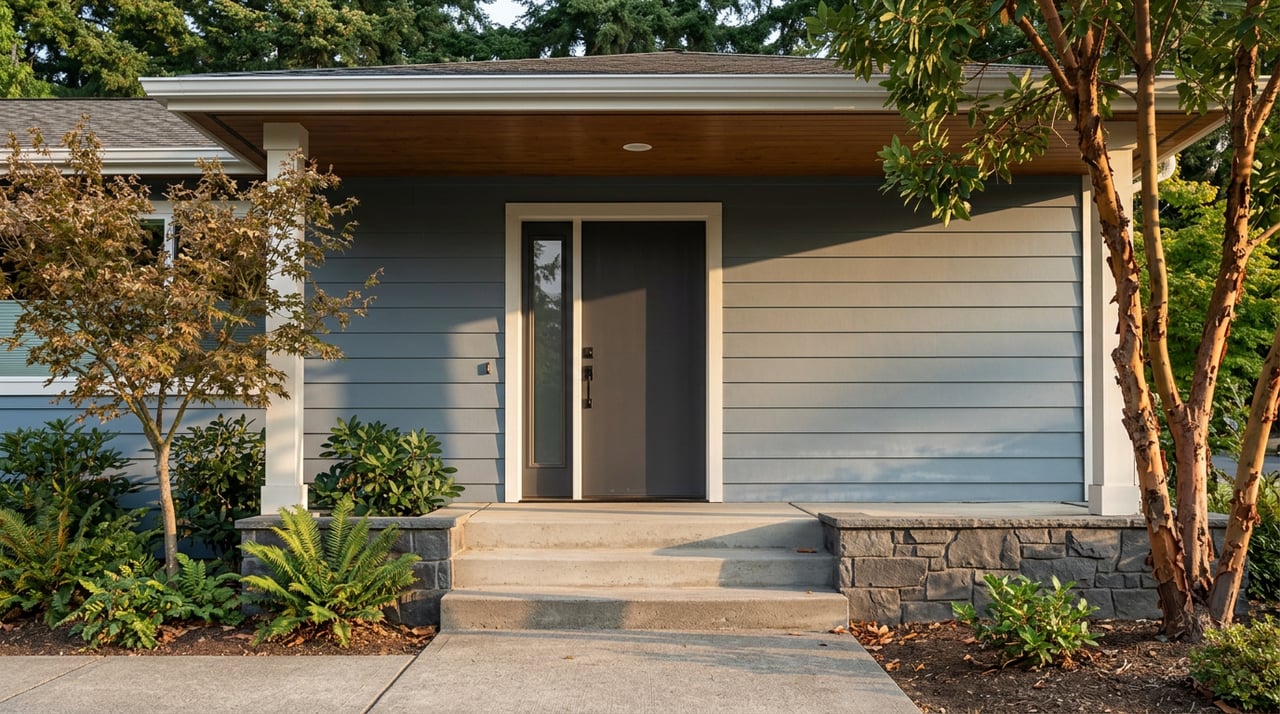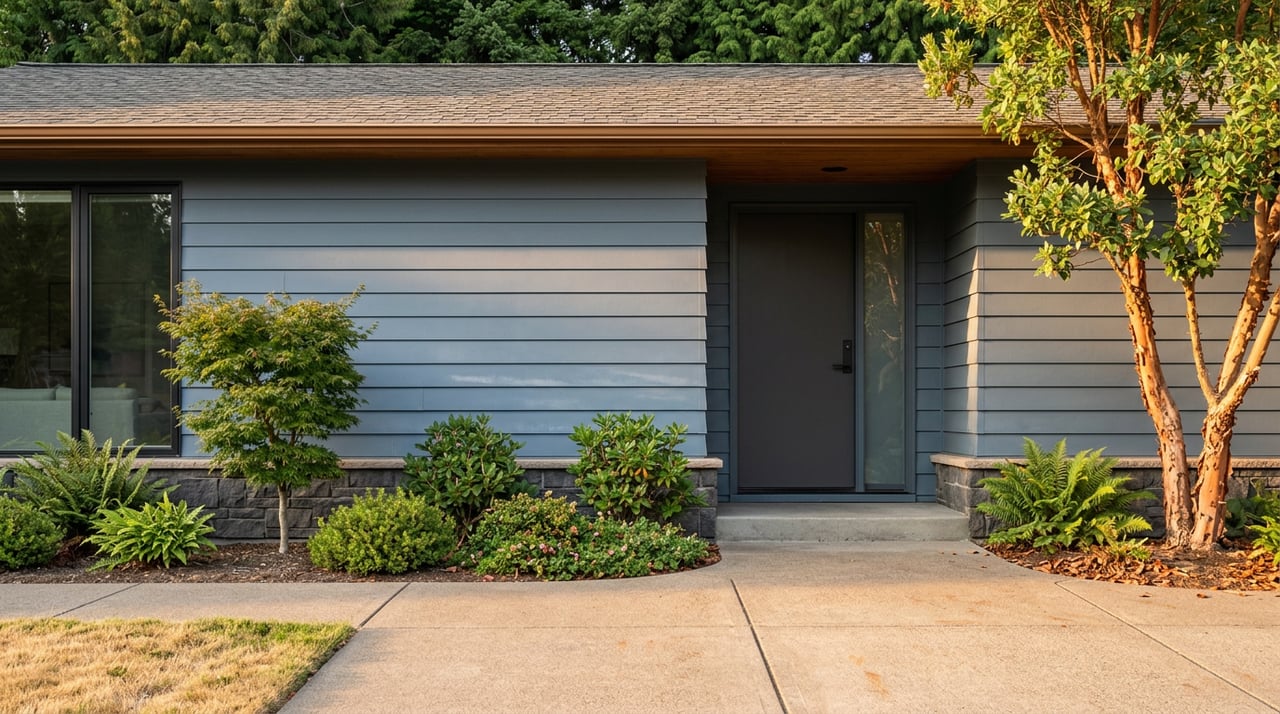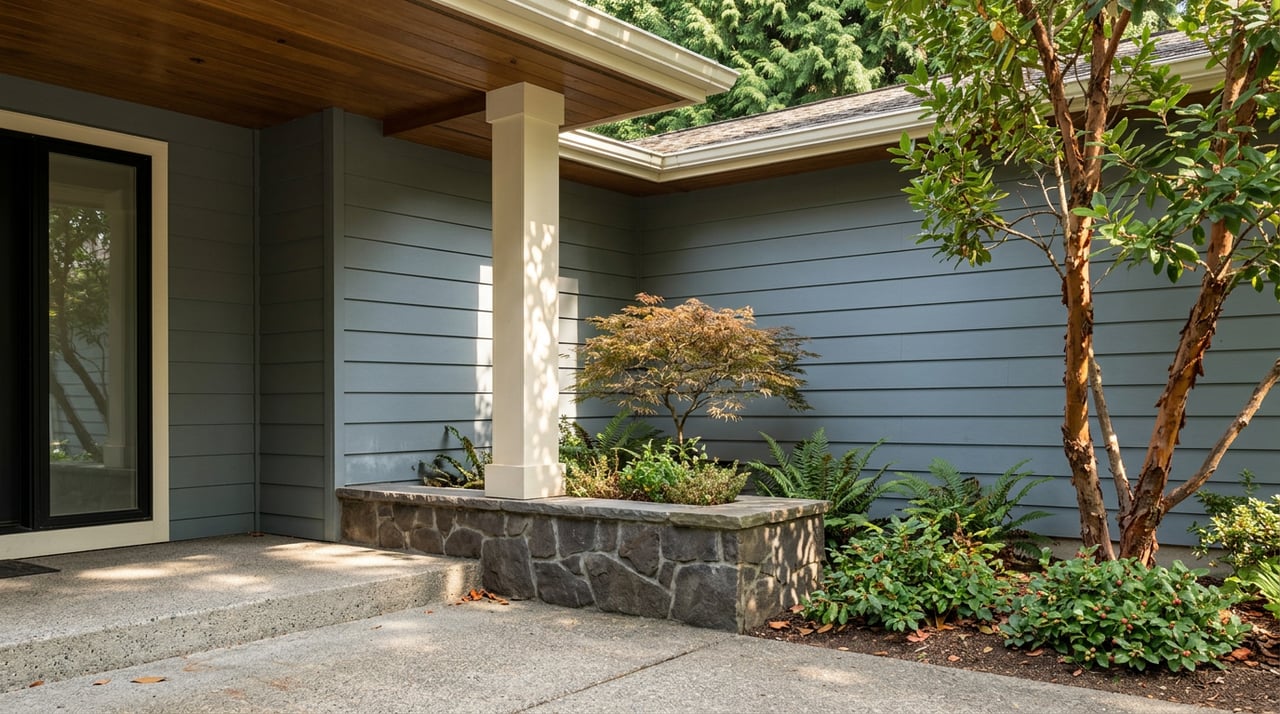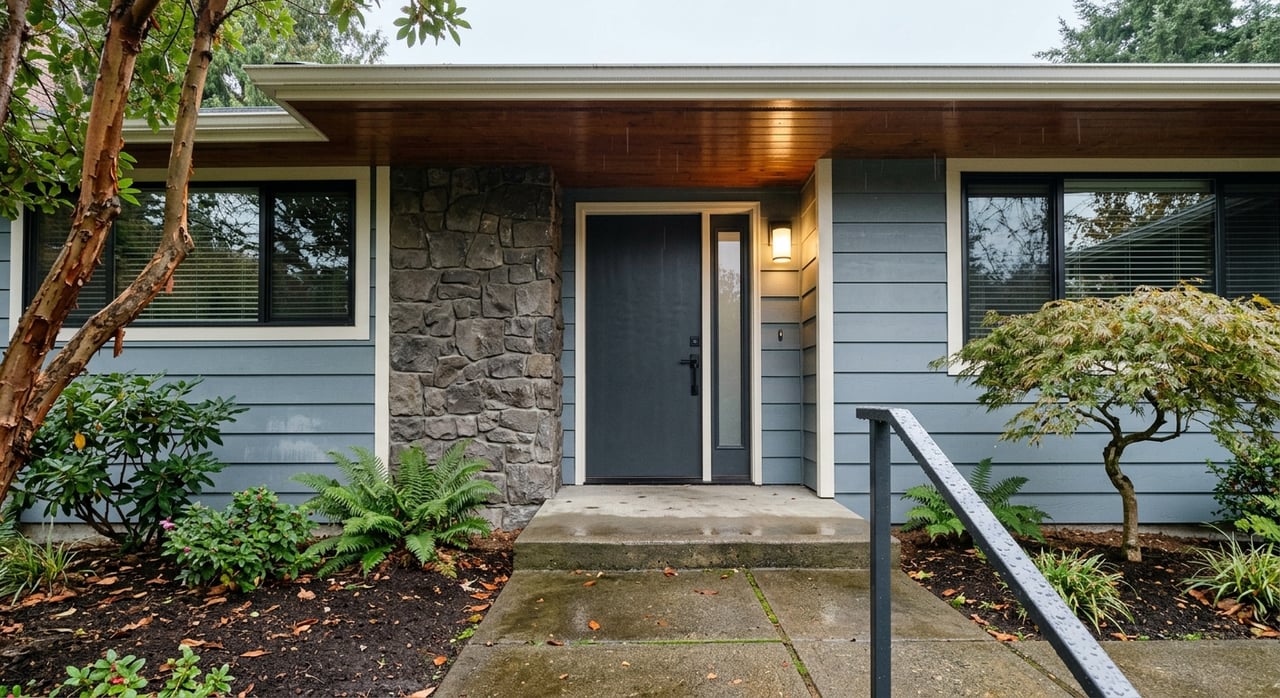
Buying in Steilacoom can feel very different from buying in a larger Pierce County market. In a town known for historic character, shoreline access, and a small housing supply, the details matter more than the headlines. If you want to make a smart purchase here, it helps to understand what drives value, where extra due diligence is needed, and which questions to ask before you commit. Let’s dive in.
Why Steilacoom Stands Out
Steilacoom is a primarily residential town of about 6,800 people in the southern Puget Sound. According to the Town of Steilacoom map and community information, it sits about 10 miles south of Tacoma and 15 miles north of Olympia, borders Joint Base Lewis-McChord, and connects to I-5 through DuPont-Steilacoom Road.
The town also has a county ferry dock serving Ketron and Anderson Islands, which adds to its distinct local identity. Steilacoom was Washington Territory’s first incorporated town, and that history is still visible in the homes, streetscape, and town center.
For many buyers, the appeal goes beyond square footage. The town highlights access to places like Sunnyside Beach, Saltar’s Point, and Pioneer Park, which means location within Steilacoom can shape your day-to-day lifestyle as much as the home itself.
Know the Market Is Small
One of the biggest things to understand before buying a home in Steilacoom is that market snapshots can vary a lot. In a small town, a few waterfront homes, historic properties, or extensively updated homes can shift the median quickly.
The research shows that public data sources do not line up perfectly. Redfin’s Steilacoom housing market snapshot reported a median sale price of $510,000 in February 2026, while other public sources cited different pricing and inventory figures in nearby reporting periods.
That does not mean the data is wrong. It means you should be careful about relying on one townwide number to judge value.
Why property-specific value matters
In Steilacoom, local comps and home-specific features often matter more than broad averages. A water view, proximity to the historic core, lot position, condition, and prior updates can all have an outsized impact on price.
That is especially true when inventory is thin. In a market like this, two homes with similar square footage can have very different value depending on location, permitting history, and whether the home has been thoughtfully updated.
Older Homes Need Deeper Review
Steilacoom’s historic appeal is a real draw, but older homes usually require more careful due diligence. Cosmetic charm is only part of the story.
The town’s Preservation & Review Board maintains a register of historic places and reviews proposed changes to registered properties and properties within the Historic District. The town also notes that exterior changes within the Historic District are reviewed for compliance, along with other specified property types.
Check permit history carefully
If you are considering an older home, ask for permit history and records of major exterior work. That includes roofing, siding, windows, additions, decks, drainage work, and any visible remodels.
In a town with preservation review and development standards, this step matters. You want to know whether prior work appears to have been completed in a way that aligns with town requirements, rather than assuming an older update was fully approved.
Inspect beyond the obvious
HUD’s Residential Rehabilitation Inspection Guide recommends evaluating older homes across site conditions, exterior, interior, structure, electrical, plumbing, and HVAC systems. HUD also highlights moisture risks tied to roofs, gutters, downspouts, flashing, and drainage.
For a Steilacoom buyer, that means paying close attention to:
- Roof age and visible wear
- Drainage patterns around the home
- Signs of past or present moisture intrusion
- Quality and consistency of older repairs
- Whether updates look comprehensive or piecemeal
A home can look charming and still need meaningful system work. A thorough inspection helps you understand what you are really buying.
Ask about lead paint in pre-1978 homes
If the home was built before 1978, lead-based paint is another important topic. The EPA explains that homes built before 1978 are more likely to contain lead-based paint, and buyers of most pre-1978 housing have the right to receive lead disclosure information before signing.
That makes paint condition, renovation quality, and required disclosures especially important in Steilacoom’s older housing stock. If a home has been renovated, it is worth asking how that work was handled and documented.
Waterfront Homes Come With Extra Rules
Waterfront and view properties are a major part of Steilacoom’s appeal, but they can also bring more complexity. If you are buying near the shoreline, it is important to think beyond the view.
The town’s Shoreline Master Program governs a wide range of shoreline-related activities, including substantial development permits, exemptions, variances, fill and grading, piers and docks, shoreline stabilization, vegetation conservation, and water quality.
Verify future improvement options
If you hope to add or modify features later, do not assume that a project will be simple just because the lot is large or the setting seems flexible. Projects involving docks, bulkheads, stairs, grading, or stabilization may trigger town review.
The shoreline program also emphasizes scenic views, public shoreline access, ecological protection, and historic compatibility in applicable areas. That means future plans should be verified early, especially if those plans affect the shoreline or a visible exterior area.
Treat views as something to confirm
In Steilacoom, views can be a major value driver. But a view today is not the same thing as a guaranteed permanent view tomorrow.
The right approach is to verify what is known, review available town information, and ask direct questions about the property’s setting and any restrictions that may apply. This is one area where careful local guidance can help you avoid assumptions.
Do Not Rely on Online Maps Alone
Many buyers start their search with online maps, and that makes sense. Still, town map tools are only a starting point.
The Town of Steilacoom states in its map resources and disclaimer that GIS data is for general reference only and is not survey-accurate or complete. That means lot lines, shoreline boundaries, and setback questions should be verified through survey and title materials rather than assumed from a screen.
This matters even more when a home has a unique lot shape, sits near the shoreline, or has fencing, landscaping, or improvements close to a boundary.
Review HOA or Common-Interest Costs
Not every home in Steilacoom will be part of a homeowners association or common-interest community, but if one is, you should review that structure carefully. Shared costs can change the true monthly cost of ownership.
Under Washington law on common-interest communities, owners may be obligated to pay shared expenses for common elements or other related costs. Before closing, make sure you understand:
- Monthly or annual dues
- Reserve funding
- What maintenance is covered
- Any use restrictions or rules
- Whether there are upcoming costs owners may share
This step helps you compare properties more accurately and avoid surprises after closing.
Smart Questions to Ask Before You Buy
If you are serious about buying in Steilacoom, here are some of the most useful questions to ask early:
- Is the home inside the Historic District?
- Will exterior changes require design review or preservation approval?
- Is the property inside shoreline jurisdiction?
- Were major improvements permitted and documented?
- Was the home built before 1978, and if so, what lead disclosures are available?
- Are there known roof, drainage, or moisture concerns?
- Is the property part of an HOA or common-interest community?
- Have lot lines, setbacks, or shoreline boundaries been independently verified where needed?
These questions can help you get clarity before you are too far into the process.
Buying With Confidence in Steilacoom
Steilacoom offers a rare mix of history, shoreline setting, and small-town character, and that is exactly why buyers are drawn to it. It also means your due diligence should be more detailed than it might be in a more standardized subdivision.
The best path is to look closely at the home itself, the property’s location within town, and any historic, shoreline, or ownership rules that may affect your plans. When you take that approach, you can move forward with clearer expectations and better long-term confidence.
If you are considering a purchase in Steilacoom and want practical local guidance, Greg Pubols can help you evaluate the details, compare properties, and navigate the process with a steady, consultative approach.
FAQs
What should buyers know about older homes in Steilacoom?
- Buyers should review permit history, inspect major systems carefully, and pay close attention to roof condition, drainage, moisture issues, and any pre-1978 lead paint disclosures.
What should buyers know about Steilacoom Historic District rules?
- Buyers should verify whether a property is in the Historic District or on a historic register because certain exterior changes may require review through the town’s preservation process.
What should buyers know about waterfront homes in Steilacoom?
- Buyers should confirm whether a home is in shoreline jurisdiction because future projects such as docks, grading, stabilization, or exterior shoreline improvements may be subject to town review.
What should buyers know about Steilacoom home prices?
- Buyers should know that public market numbers can vary in a small town, so local comps and property-specific features often matter more than one median price headline.
What should buyers know about lot lines and town maps in Steilacoom?
- Buyers should know that town GIS maps are for general reference only, so boundary, setback, and shoreline questions should be verified through survey and title materials when needed.
What should buyers know about HOA costs in Steilacoom?
- Buyers should confirm dues, reserves, maintenance responsibilities, and rules before closing because shared expenses can materially affect the total cost of ownership.